The founders of INSPIRE Awards had a vision from the start, guided by the spirit of the rising Phoenix.
To create a representation, a reminder of the history of the queer community in Toronto,
via the stories of the work done over the years in our local community, by Lifetime Achievement Awards recipients.
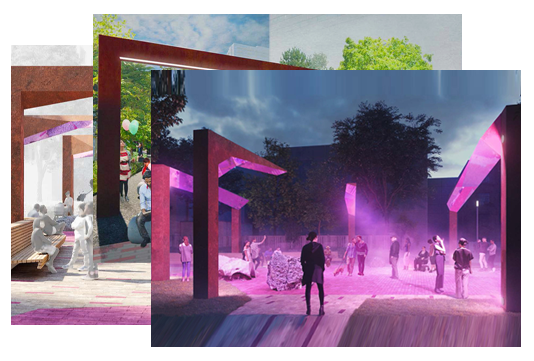
For 10 years, the team at INSPIRE Awards lobbied the City of Toronto, and championed by then City Councillor Kristyn Won-Tam, to make this idea a reality.
2 Years ago, the City of Toronto, named INSPIRE Awards a Key Stakeholder, in the historic George Hislop Park.
George who’s the park named after is a community legend and a posthumous recipient of Lifetime Achievement Award.
Queer History
Experience a virtual tour of the story or queer Toronto, with photos and narration by Deb Pearce, through the history of Toronto's Queer community.
Explore the recipients of the Lifetime Achievement Award, people who have vocated their entire life working tirelessly on behalf of our community.
These honours have gone to those who made significant contributions to better the lives of others in the LGBTQ2S+ community over an entire career or a lifetime rather than a single act or short-term contribution.
Click to hear Deb Pearce narrate the following text.
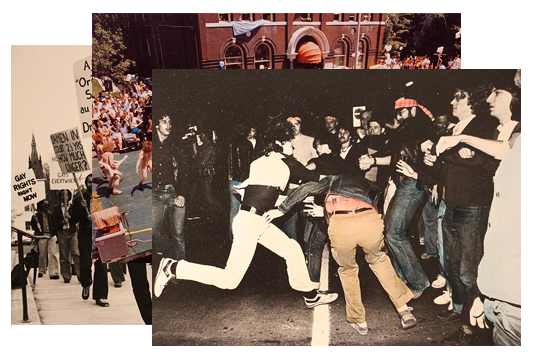
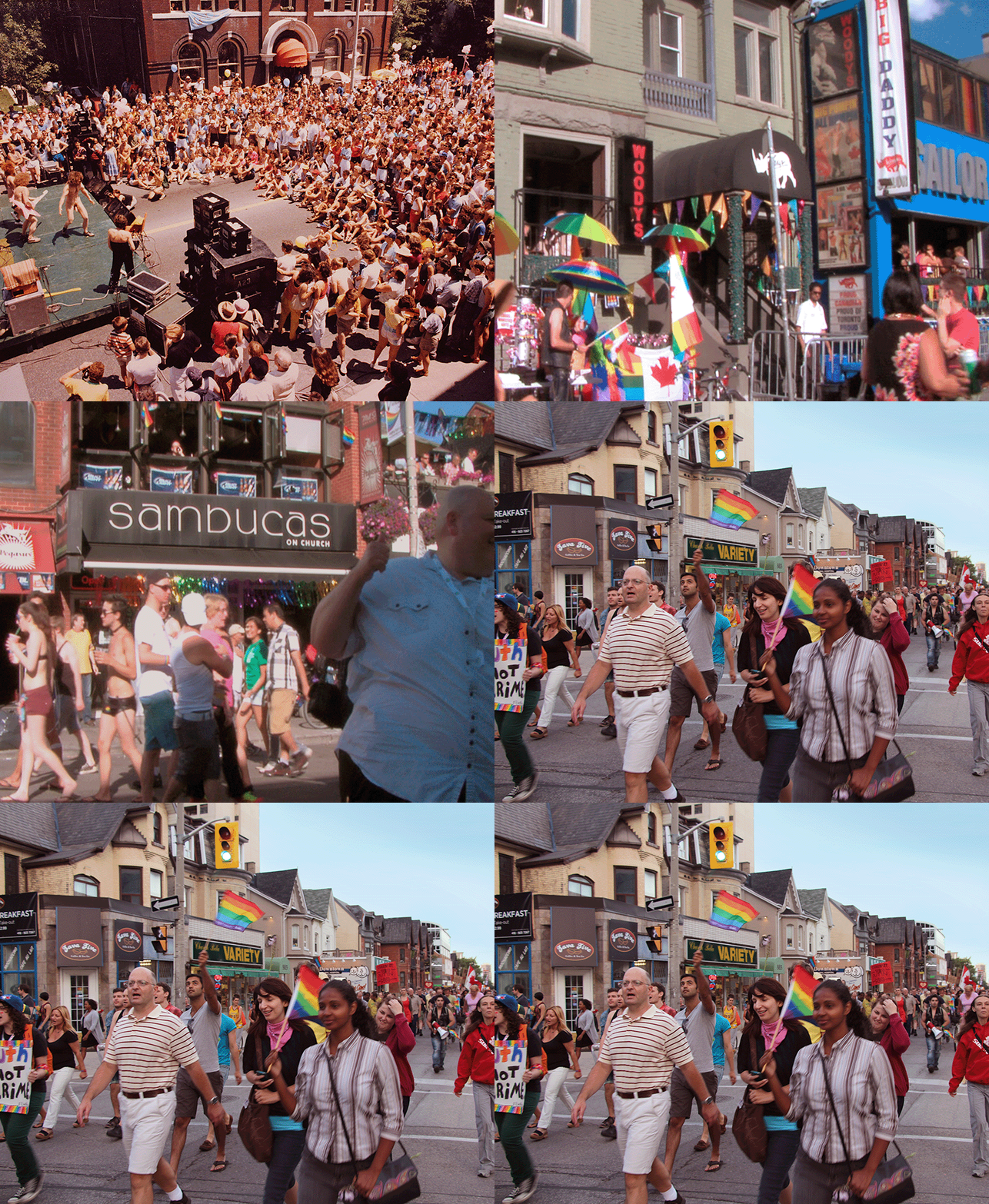
The queer history of the queer community in Toronto is a rich and transformative narrative that mirrors broader social and political shifts, both in Canada and around the world.
From early secretive gatherings in the 1950s to the thriving, vibrant neighborhoods and Pride celebrations of today, Toronto’s 2SLGBTQIA+ community has continuously fought for visibility, rights, and equality.
Let’s take a look at key moments, movements, and milestones in the queer history of Toronto.
The Early Days
1950s and 1960s
Click to hear Deb Pearce narrate the following text.
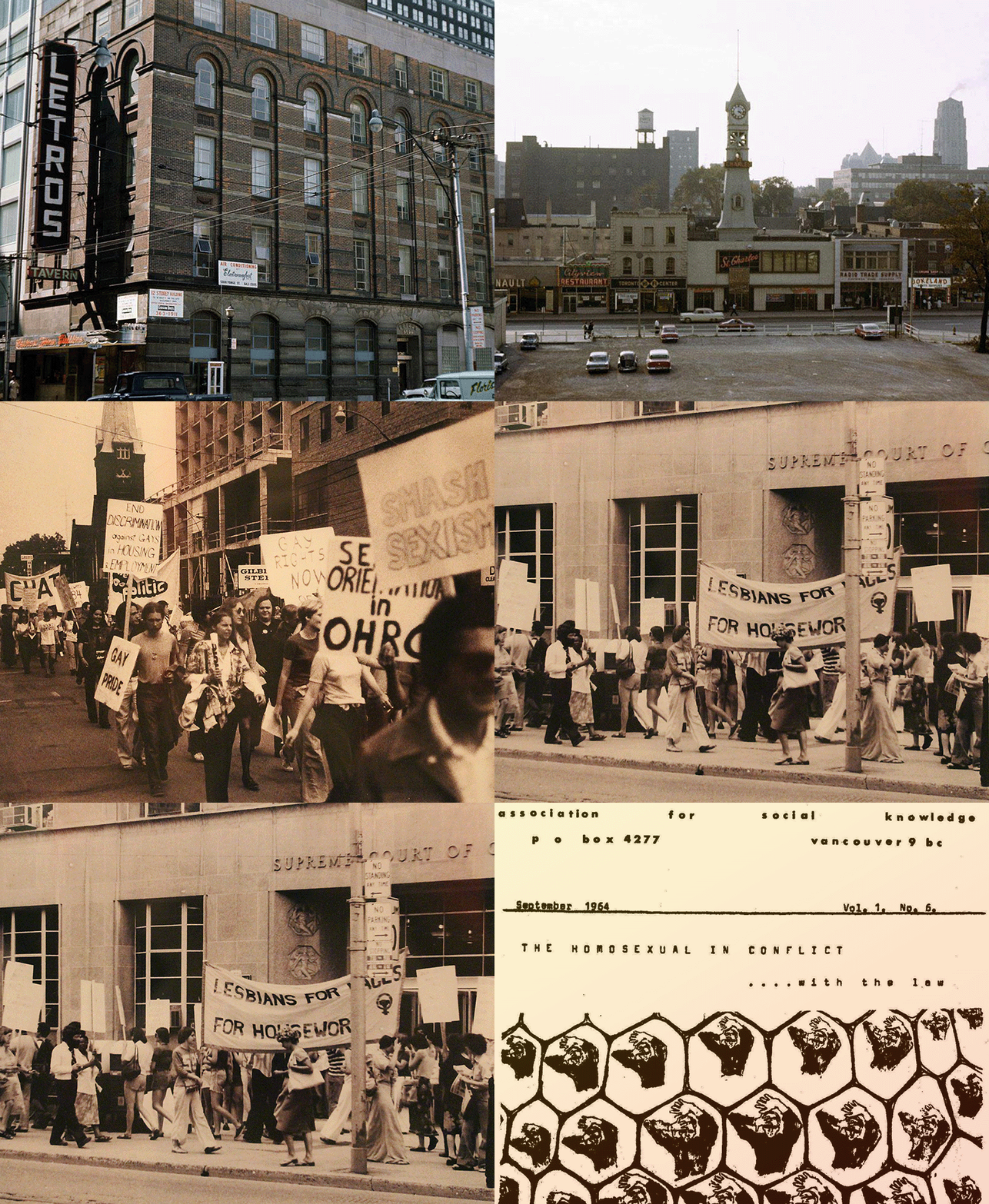
In the mid-20th century, queer life in Toronto was largely hidden due to social stigma and legal oppression. Homosexuality was considered a criminal offense in Canada until 1969. During this period, LGBTQ+ individuals faced persecution, and many queer spaces operated underground.
Bars like the “Letros” and secret social clubs became havens for queer people, though they were often subject to police raids.
This era also saw the rise of smaller activist movements, inspired by the civil rights struggles happening elsewhere. One such early organization was the Association for Social Knowledge (ASK), which was formed in 1964 in Toronto.
It was Canada’s first gay rights organization and worked to raise awareness and challenge social norms.
The Rise of Gay Liberation in the...
1970s and 1980s
Click to hear Deb Pearce narrate the following text.
The 1970s were a transformative period for Toronto’s queer community.
The decade began with the decriminalization of homosexual acts between consenting adults, following the passage of the Criminal Law Amendment Act in 1969.
However, social acceptance was still a long way off, and police harassment of queer spaces persisted.
The Rise of Gay Liberation in the...
1970s and 1980s
Click to hear Deb Pearce narrate the following text.
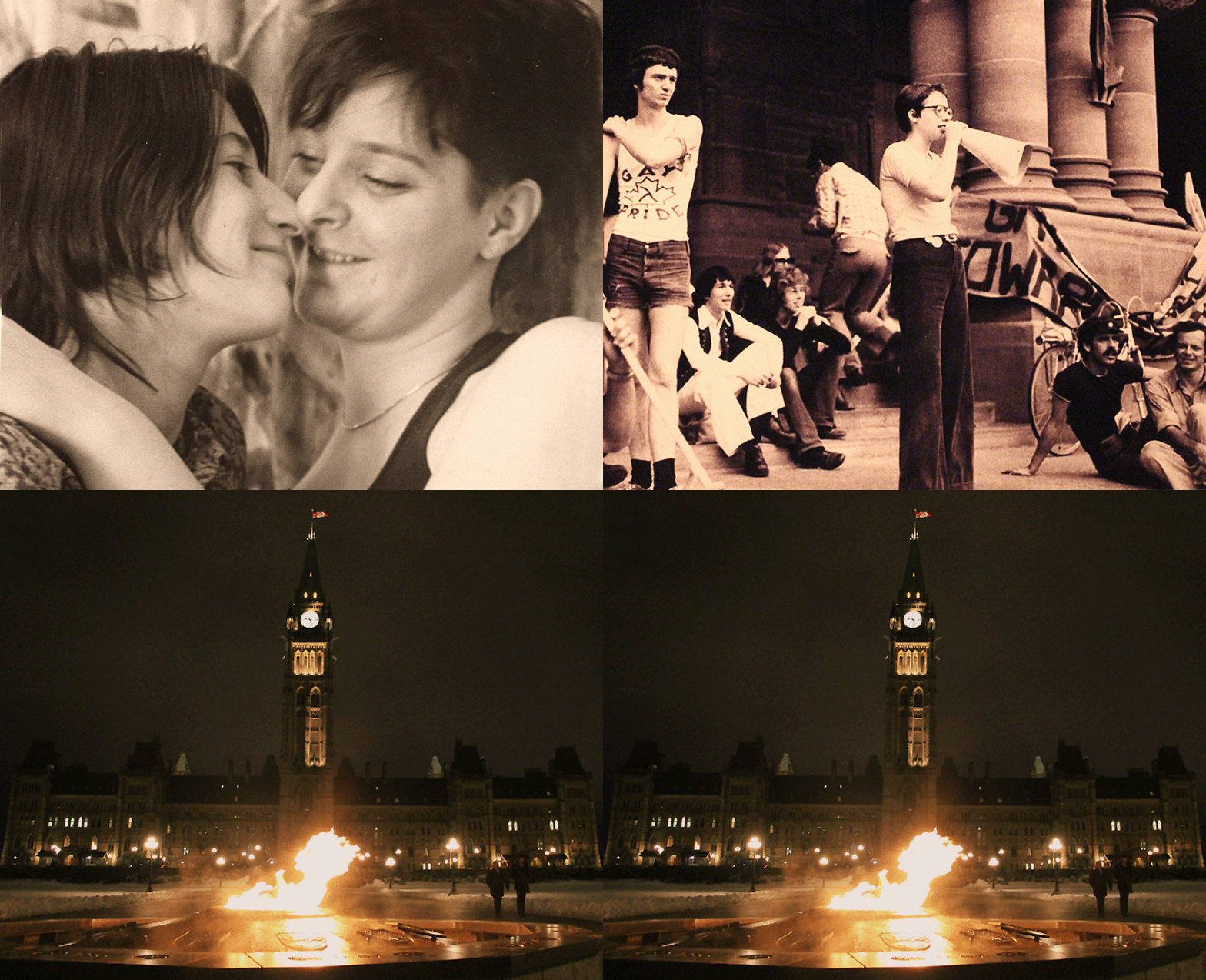
A pivotal moment came in 1971 when activists organized the first-ever gay rights demonstration on Parliament Hill in Ottawa.
Though small, this event marked the beginning of a national movement for gay and lesbian rights, and Toronto was at the center of it.
Later that year, Toronto hosted its first official Pride Week, then called “Gay Pride Day,” albeit much smaller than the grand event it would become.
The Rise of Gay Liberation in the...
1970s and 1980s
Click to hear Deb Pearce narrate the following text.
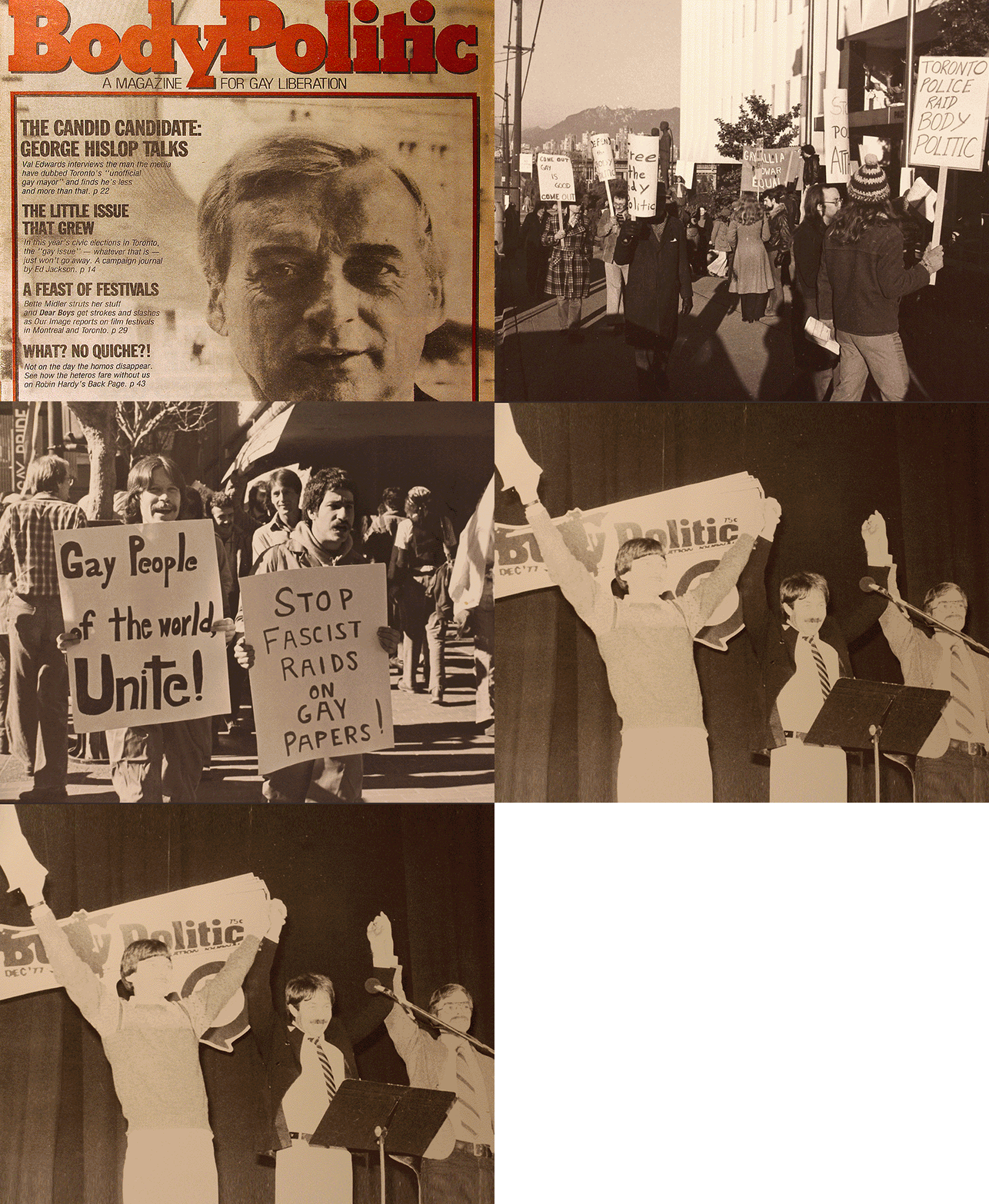
Throughout the 1970s and 1980s, LGBTQ+ activism in Toronto grew in size and influence. The Body Politic, a queer publication founded in 1971 in Toronto, became a leading voice for LGBTQ+ rights and provided a forum for radical ideas about sexuality, gender, and society.
The magazine was frequently targeted by authorities, including a highly publicized police raid in 1977 that resulted in the editors being charged with obscenity.
The charges were eventually dropped, but the case highlighted the ongoing struggle for free speech and expression within the queer community.
The Rise of Gay Liberation in the...
1970s and 1980s
Click to hear Deb Pearce narrate the following text.
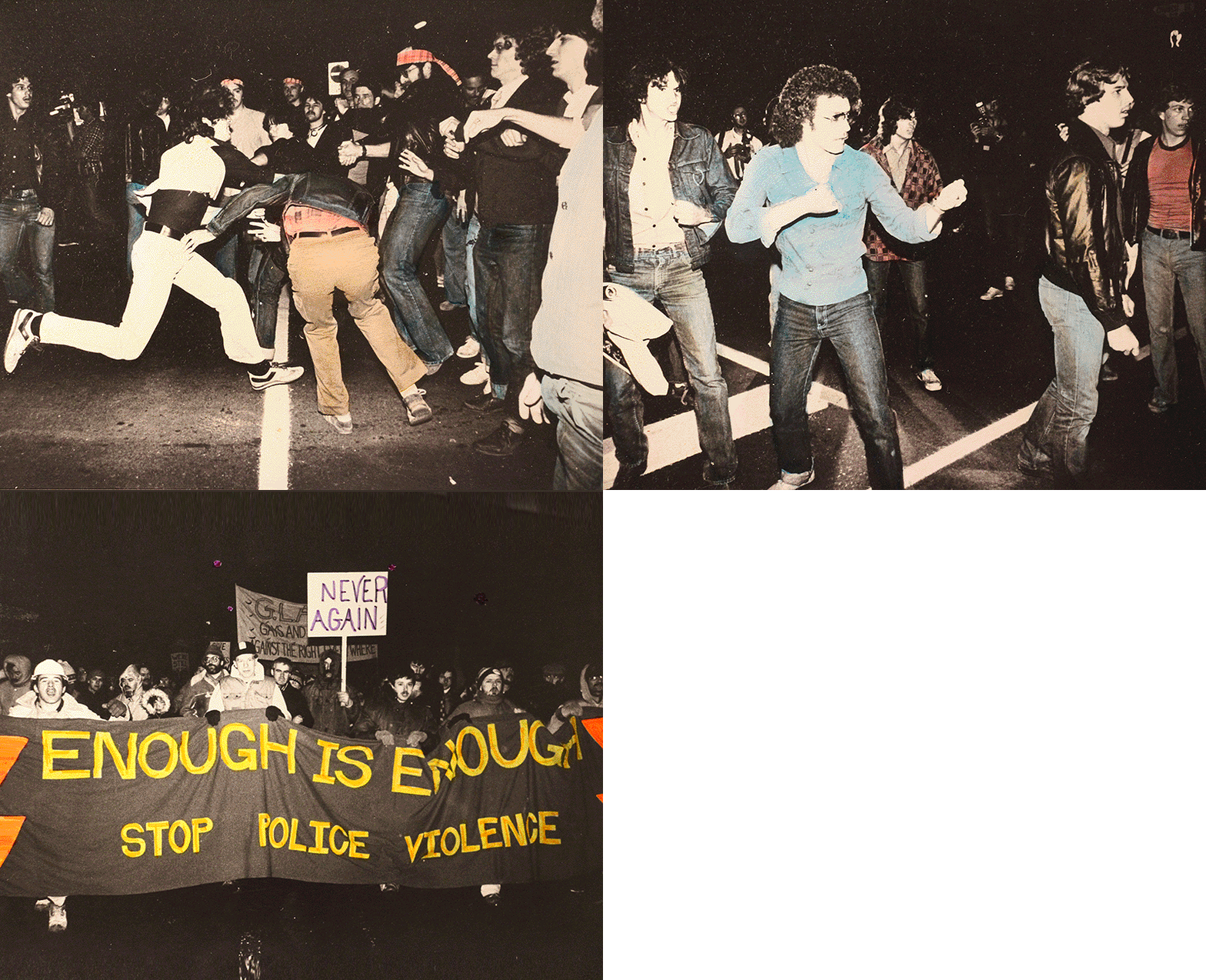
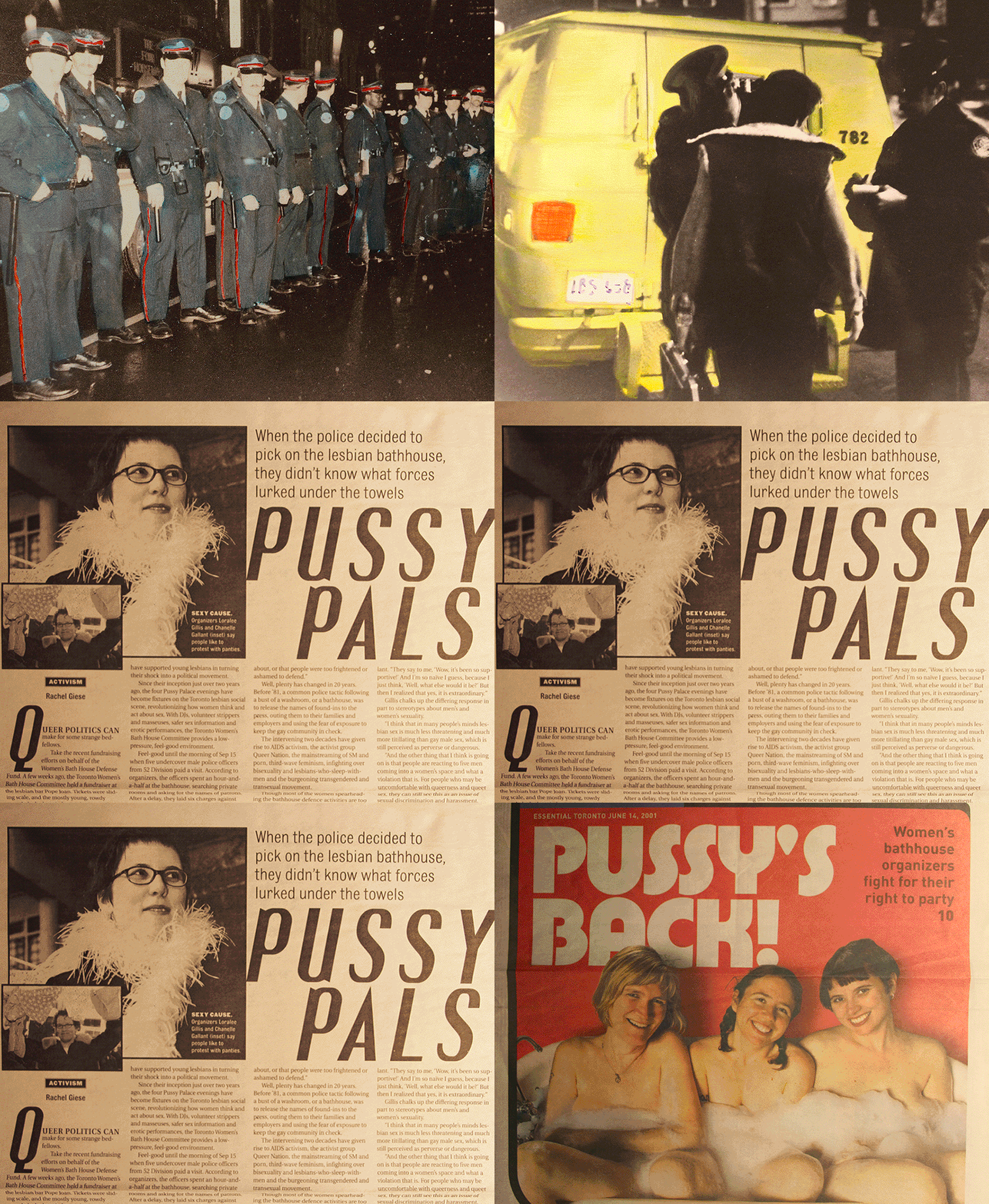
In 1981, the infamous Toronto bathhouse raids further galvanized community activism. On February 5, 1981, police raided four gay bathhouses in Toronto, arresting nearly 300 men on charges related to “bawdy house” laws.
The raids sparked outrage and led to mass protests, including the formation of Lesbian and Gay Rights in Ontario (LAGRO).
Over time, this event is seen as a turning point in Toronto’s queer history, solidifying a broader movement for sexual freedom and police reform.
The Fabulous...
1990s
Click to hear Deb Pearce narrate the following text.
The 1990s were marked by increasing visibility and community-building efforts within Toronto’s LGBTQ+ population.
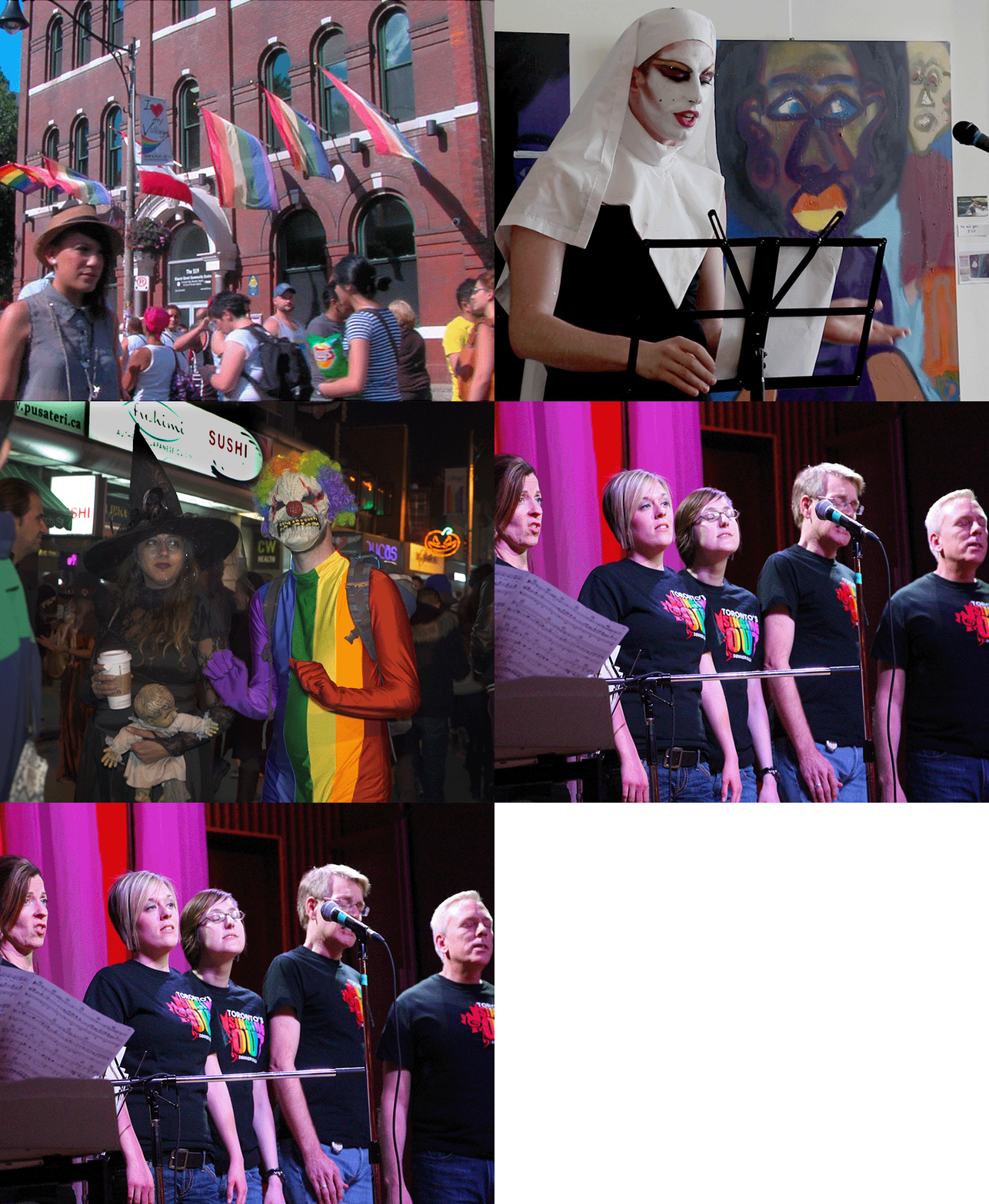
The Church-Wellesley Village, often simply referred to as “The Village,” became a central hub for LGBTQ+ life, with businesses, cultural organizations, and social spaces that catered to the community.
The Fabulous...
1990s
Click to hear Deb Pearce narrate the following text.
The fight for legal rights and protections continued throughout the decade.
In 1995, the Ontario Court of Appeal ruled in Egan v. Canada that same-sex couples were entitled to equal benefits under the law, an important step toward marriage equality.
This ruling helped to spur further legal advancements, culminating in the legalization of same-sex marriage in Canada in 2005.
The Fabulous...
1990s
Click to hear Deb Pearce narrate the following text.
At the same time, Toronto’s Pride celebrations grew in size and significance.
What had begun as a small march in the 1970s blossomed into one of the largest Pride parades in the world, attracting hundreds of thousands of participants and spectators.
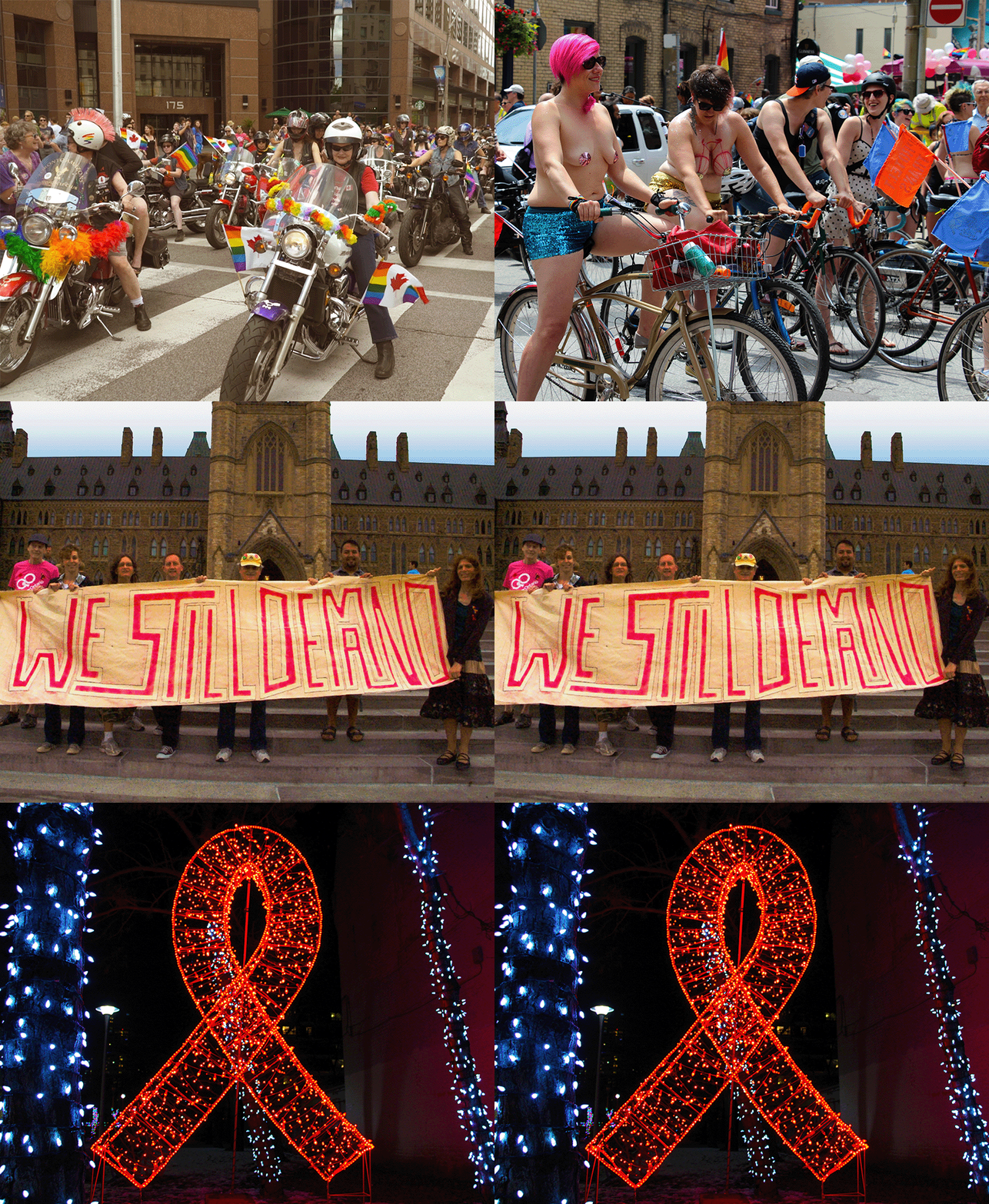
Pride became not just a celebration of LGBTQ+ identity but also a platform for political activism and social change.
Queer Toronto in the 21st Century
2000 to 2024
Click to hear Deb Pearce narrate the following text.
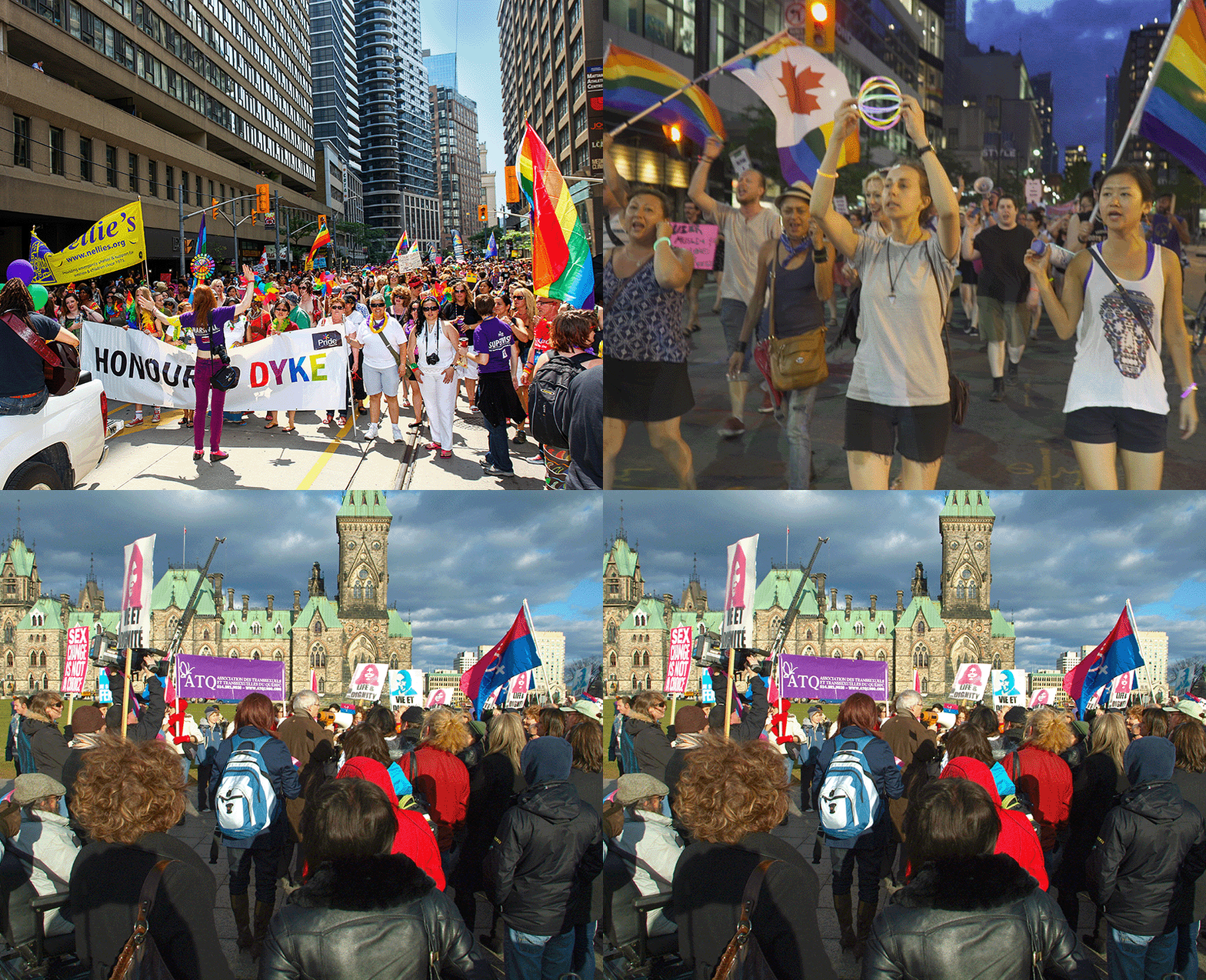
The 21st century has seen Toronto emerge as one of the most 2SLGBTQIA+ friendly cities in the world, but the fight for equality continues.
The city has also become a home to many diverse queer communities, including a growing number of trans, non-binary, Black, Indigenous, and people of color (BIPOC) 2SLGBTQIA+ activists who are pushing for intersectional justice.
Queer Toronto in the 21st Century
2000 to 2024
Click to hear Deb Pearce narrate the following text.
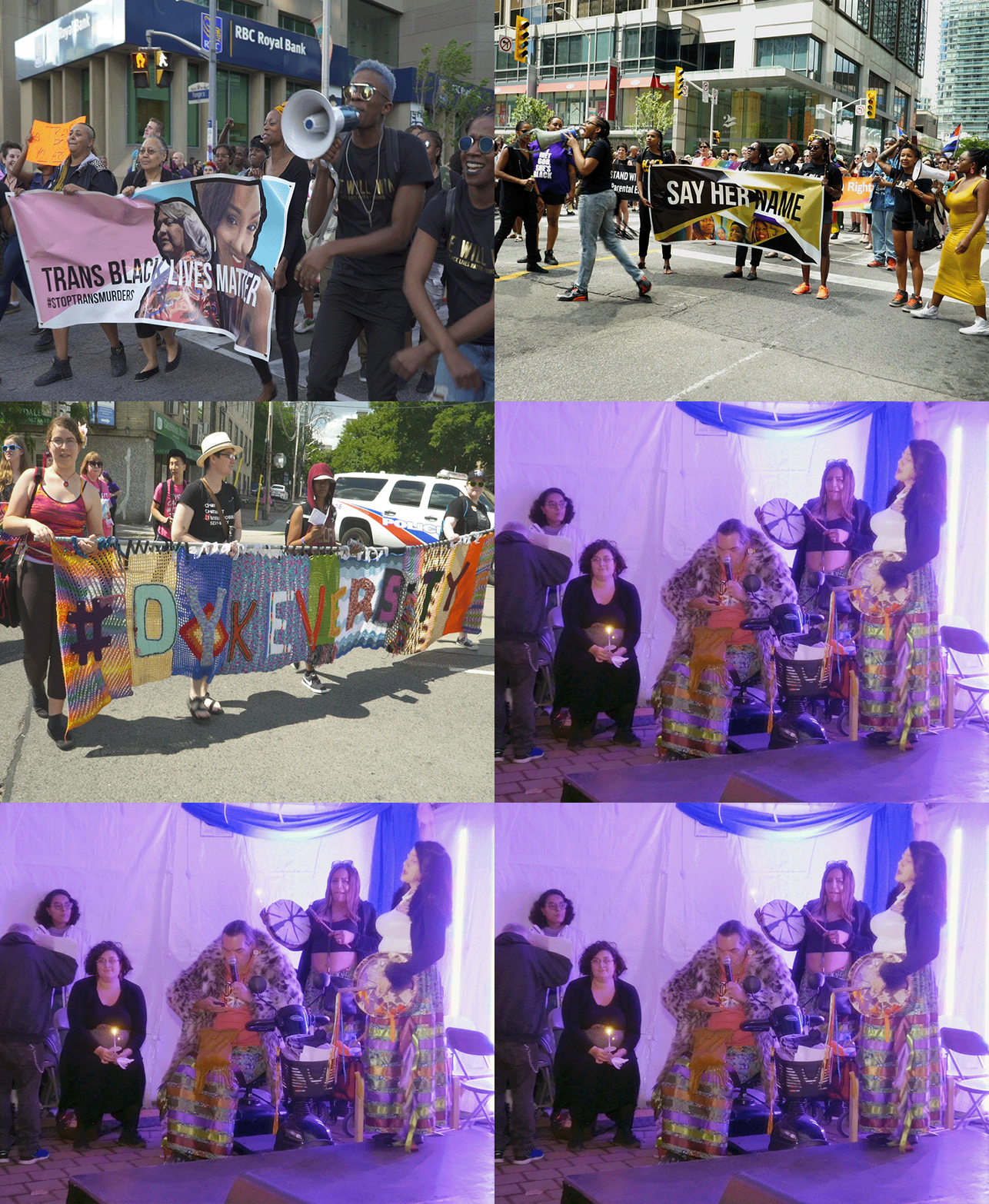
In recent years, events like Black Lives Matter Toronto’s protest during the 2016 Pride Parade have highlighted tensions within the community, particularly around issues of racism, police presence, and the need for more inclusive spaces.
These events sparked crucial conversations about the future of the 2SLGBTQIA+ movement in the city and how it can better serve all members of the community.
Queer Toronto in the 21st Century
2000 t0 2024
Click to hear Deb Pearce narrate the following text.
Toronto has also become a significant cultural hub for 2SLGBTQIA+ art, literature, and film.
The Toronto Queer Film Festival and Inside Out Film Festival showcase queer talent, and many cultural institutions, such as The 519, continue to play vital roles in fostering community and activism.
To Conclude This Journey Down History Lane
1950s to Present Day
Click to hear Deb Pearce narrate the following text.
The history of the Q2SLGBTQIA+ community in Toronto is one of resilience, resistance, and radical transformation.
From its underground beginnings in the 1950s to its vibrant, visible presence today, Toronto’s queer community has played an essential role in shaping the social and political landscape of the city.
While progress has been made, the fight for true equality and justice continues, driven by the spirit of activism and community that has defined Toronto’s queer history for decades.
Lifetime Achievement Recipients
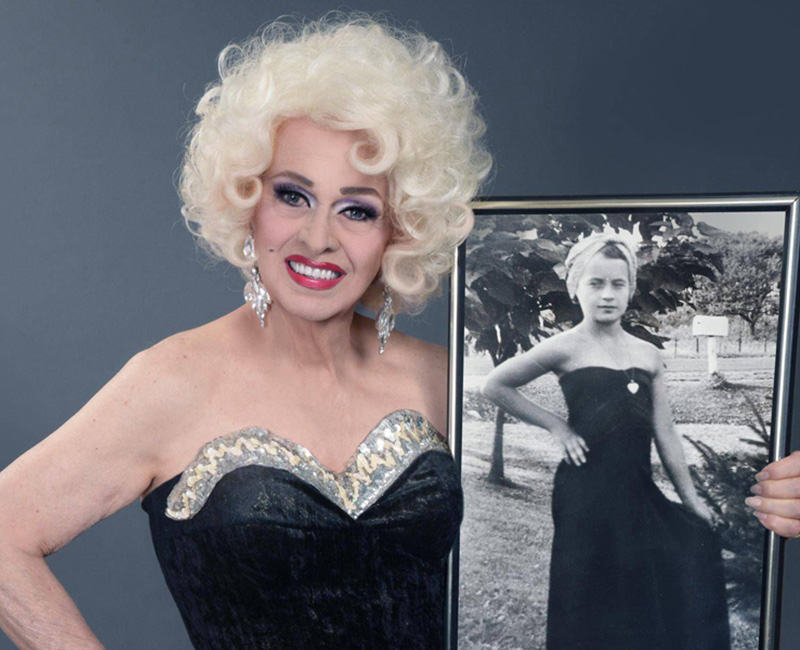
RUSSELL ALLDREAD aka MICHELLE DUBARRY
2012
Click to hear audible of the following text.
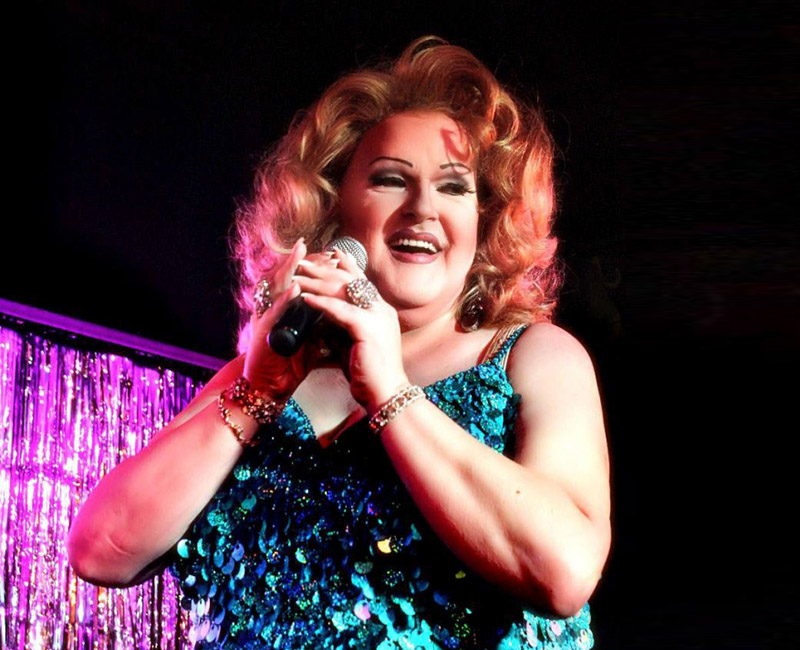
Michelle DuBarry is a living legend in the 2SLGBTQIA+ community, a trailblazer who has shaped the art of drag for over six decades. Emerging at a time when drag was often frowned upon and visibility was fraught with risk, Michelle defied societal norms with unshakable confidence and charisma. Known for her dazzling performances, glamorous fashion, and infectious humor, she quickly became a cherished figure, captivating audiences with her ability to light up any stage.
Beyond the sequins and spotlight, Michelle’s impact extends far beyond her artistry. A devoted advocate for the 2SLGBTQIA+ community, she has spent decades channeling her energy into fundraising efforts, community outreach, and activism. Whether hosting charity events, performing at fundraisers, or mentoring the next generation of drag performers, Michelle’s dedication has left an indelible mark on countless lives.
Now, in her 90’s, Michelle is retired and enjoys a comfortable living. Her years of unwavering commitment to her craft and her community is a testament to her resilience and enduring spirit. She stands as a beacon of hope, strength, and fabulousness, proving that true legends only shine brighter with time.
Boyd Kodak
2012
Click to hear audible of the following text.
Boyd’s journey as a transsexual activist is one of courage, transformation, and trailblazing impact. His story begins in an era when 2SLGBTQIA+ rights were rarely acknowledged and discrimination was the norm rather than the exception. At the time, Boyd, then known as Jan, found himself at the center of a critical legal battle. A relentless advocate for fairness, Jan took on a landmark case against workplace discrimination—an audacious move that would change not only his life but the lives of countless others. Against immense odds, he emerged victorious, establishing a legal precedent that made it illegal to discriminate against 2SLGBTQIA+ individuals in the workplace. This triumph resonated across communities, providing hope to those who had long felt silenced and validating their right to exist authentically.
In the 1990s, Boyd embarked on the deeply personal journey of transitioning, stepping fully into the identity he had always known to be his own. His transition was not just a milestone for him but a renewed commitment to the fight for transsexual rights. Building on his earlier victory, Boyd became a steadfast advocate for equality, challenging systemic barriers and amplifying the voices of those too often overlooked.
For decades, Boyd has been a tireless force for progress, combining personal experience with a deep sense of justice to inspire change. His advocacy stretches far beyond legal battles—through education, mentorship, and public speaking, he works to foster understanding and inclusion in every corner of society. Boyd’s unwavering belief in the power of equality drives his mission to ensure dignity and respect for all, regardless of how they identify.
Today, Boyd is regarded as a vital figure in the movement for transsexual rights, a beacon of hope for those who follow in his footsteps. His story is not just one of fighting for justice but of building a legacy—a legacy rooted in resilience, fueled by compassion, and dedicated to creating a world where everyone has the freedom to live as their true selves.
JACK LAYTON
2012 Honourary
Click to hear audible of the following text.
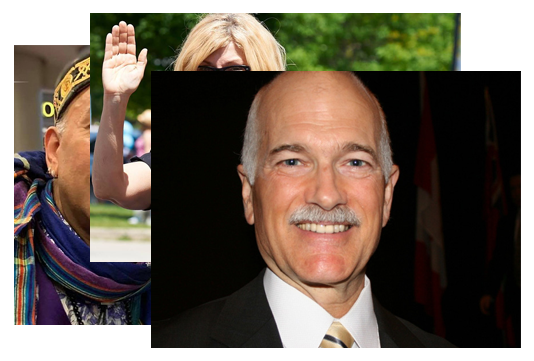
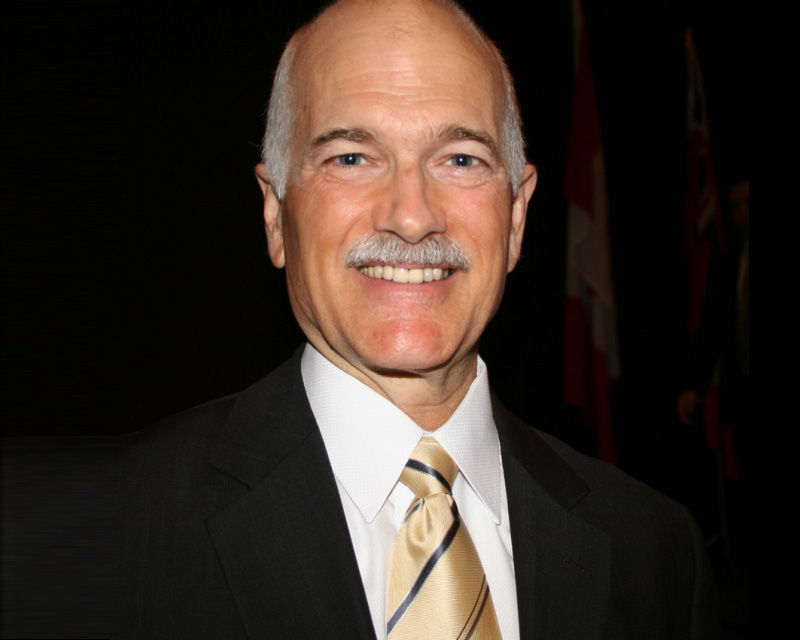
Jack Layton’s unwavering dedication to the 2SLGBTQIA+ community, a commitment that spanned decades and left an indelible mark on the fight for equality and justice. From his election to Toronto City Council in 1982, Jack emerged as a steadfast ally, fearlessly championing the causes that mattered most to the 2SLGBTQIA+ community at a time when advocacy for these rights was far from mainstream.
Jack’s work was rooted in his deep belief in the value of inclusion and the power of solidarity. Whether marching alongside activists, amplifying the voices of marginalized individuals, or pushing for progressive policies, Jack’s actions spoke louder than words. He was a friend who showed up—not only during moments of celebration but, more importantly, during times of struggle, offering his support and his platform to help others be heard.
Throughout his career, Jack remained a tireless advocate, from his days on city council to his leadership on the national stage. He fought for housing rights, healthcare access, and anti-discrimination policies, always keeping the needs of the 2SLGBTQIA+ community close to his heart. His work helped to pave the way for a more inclusive Canada, where acceptance and respect are values woven into the fabric of society.
It is both humbling and inspiring to reflect on Jack’s legacy. He was more than an ally—he was a true champion, a person who understood that progress is only possible when we stand together. We honor his memory and express our profound gratitude for his contributions, knowing that his spirit continues to inspire the ongoing fight for equality and justice.
ANNA WILLATS
2013
Click to hear audible of the following text.
Anna Willats, a trailblazing advocate and Pride Toronto’s 2008 Honoured Dyke, has been a proud and visible member of the 2SLGBTQIA+ community since 1982. Her journey is a testament to courage, resilience, and unwavering dedication to social justice. Anna is not only a devoted mother to two wonderful young adults but also a relentless force for change in our community.
Anna’s activism in Toronto began in the early 1980s when she joined Lesbians Against the Right, a collective committed to challenging homophobia and defending queer rights. Around the same time, she threw herself into the fight for privacy and personal freedom, participating in protests organized by the Right to Privacy Committee, which sought to protect 2SLGBTQIA+ spaces from police raids and government overreach. These formative experiences ignited a lifelong commitment to justice and equality.
A cornerstone of Anna’s career has been her work with the Toronto Rape Crisis Centre, where she has been a vital team member since 1982. Here, she worked alongside an inspiring group of feminist women, honing her skills in counseling, advocacy, and organizing. The center became a hub where Anna not only supported survivors of gender-based violence but also cultivated the tools to mobilize communities and demand systemic change.
Beyond her hands-on advocacy, Anna is also shaping the next generation of activists and advocates. She serves as a professor in the Assaulted Women’s and Children’s Counsellor/Advocate Program at George Brown College. In this role, she empowers her students to address issues of gender-based violence, systemic oppression, and social inequities with knowledge, empathy, and action.
For over 40 years, Anna’s activism has spanned numerous causes and movements. From leading anti-poverty protests and organizing 2SLGBTQIA+ cultural events to fighting for police accountability, her efforts have left an indelible mark on Toronto. Her work has not only strengthened the queer community but also contributed to a more inclusive and equitable city for all its residents.
Anna’s legacy is one of action, compassion, and deep-rooted commitment to justice. She continues to inspire those around her, proving that change is possible when we stand together and fight for what’s right.
SALAH BACHIR
2013
Click to hear audible of the following text.
Salah Bachir is a name synonymous with generosity, advocacy, and unwavering dedication to community building. Best known as a philanthropist with a deep passion for the arts and equality, Salah’s contributions to Toronto—and beyond—are as diverse as they are impactful. His journey is one of tireless service, bold leadership, and a steadfast commitment to making the world a more inclusive and vibrant place.
Over the years, Salah has lent his expertise and vision to numerous boards and committees, many of which have shaped Canada’s cultural and social landscapes. He is a founding member of the Canadian Film Centre, where his love for storytelling has helped nurture emerging filmmakers. As a key figure on the boards of the Art Gallery of Ontario, the Luminato arts festival, and Business for the Arts, Salah has championed creative expression, ensuring that the arts remain accessible and celebrated.
Salah’s activism extends far beyond the arts. His work with the Canadian Foundation for AIDS Research (CANFAR) reflects his enduring commitment to health and human rights. A passionate advocate for the 2SLGBTQIA+ community, Salah has consistently stood up for equal rights, helping to create a society where love and commitment are respected, regardless of sexual orientation. He supported EGALE Canada’s groundbreaking “I Do Means the Same Thing Whether You’re Straight or Gay” campaign and serves on EGALE’s Board of Advisors, amplifying the fight for 2SLGBTQIA+ rights on a national stage.
One of Salah’s most transformative projects has been his work with the 519 Church Street Community Centre, a hub for 2SLGBTQIA+ support and advocacy in Toronto. Salah spearheaded the capital campaign for the 519’s expansion, raising an extraordinary $6 million—$1 million of which came from his own pocket. His efforts culminated in 2010 when the community centre’s new wing was named in his honour, a testament to his incredible generosity and dedication to empowering marginalized communities.
Throughout his life, Salah has seamlessly blended philanthropy with activism, using his platform and resources to drive meaningful change. Whether advocating for equal rights, promoting access to the arts, or supporting groundbreaking research and community initiatives, Salah’s work has left an indelible mark. His legacy is one of compassion, bold action, and a deep belief in the power of community to create a brighter, more equitable future.
DAVID BUCHAN
2013
Click to hear audible of the following text.
David Buchan was a bold and innovative artist whose life and work left a lasting imprint on Canada’s art scene. Before his untimely death in 1994 due to complications from AIDS, David was a vibrant force in the creative community, collaborating with renowned groups like General Idea and Art Metropole. His artistic voice resonated through groundbreaking projects like CHROMAZONE, HOMOGENIUS, and FRUIT COCKTAIL, where his distinctive perspective celebrated queerness and challenged societal norms.
David’s work found a home in the pages of FILE Magazine, a pioneering publication that bridged art and activism, giving his creations a platform to inspire and provoke. Known for his wit and fearless exploration of identity, David’s contributions extended beyond his own art—he was a champion of collaboration and a vital part of the cultural fabric of his time. Though his life was cut tragically short, his legacy endures as a reminder of art’s power to challenge, connect, and transform.
JANE FARROW
2014
Click to hear audible of the following text.
Jane has long been a trailblazer, standing proudly and unapologetically as a lesbian during a time when the 2SLGBTQIA+ community was still fighting for its voice, rights, and recognition. Her unwavering commitment to visibility and advocacy has made her a pillar of strength and inspiration, not just for those within her community but for anyone who values courage and authenticity.
Throughout her life, Jane has been a driving force behind the growth and success of 2SLGBTQIA+ arts and culture. Her work has helped create spaces where queer stories could thrive and where diversity could be celebrated in all its forms. Whether through curating artistic events, championing queer representation, or mentoring emerging talent, Jane’s contributions have left an indelible mark on the creative landscape.
Never one to shy away from difficult conversations, Jane has always spoken her mind with conviction and purpose. Her fearless voice has challenged societal norms and inspired others to embrace their true selves. A lifelong crusader for diversity and awareness, Jane has shown that progress is born not just of action, but of boldness, resilience, and a refusal to back down in the face of adversity. Her legacy is one of empowerment, reminding us all that living openly and authentically is a form of activism in itself.
REV. BRENT HAWKES
2014
Click to hear audible of the following text.
Rev. Brent Hawkes has been a tireless and inspiring advocate for 2SLGBTQIA+ rights, dedicating his life to championing equality and justice. His activism began even before the first Toronto Pride Picnic in 1971, placing him among the earliest and most steadfast leaders of the movement in Ontario. Through decades of courage and unwavering commitment, he has become a beacon of hope and progress, not only in Canada but across the globe.
Rev. Hawkes is perhaps best known internationally for officiating the first same-sex wedding ceremony in Canada—a groundbreaking moment that paved the way for marriage equality nationwide. This bold act of defiance and love sent ripples around the world, symbolizing the strength and resilience of the 2SLGBTQIA+ community and demonstrating the transformative power of faith and activism coming together.
As a pastor and activist, Rev. Hawkes has used his voice to inspire countless others. Whether speaking in front of a congregation, marching in protests, or advocating for policy changes, he has been a fearless leader and a compassionate champion for human rights. His legacy is not only one of activism but also of hope, reminding us all that change is possible when we lead with love, courage, and determination. Today he continues his work through Rainbow Freedom and Faith.
CHARLES ROY
2014 Honourary
Click to hear audible of the following text.
Charles Roy was a visionary leader, a compassionate advocate, and a tireless force in the fight against HIV/AIDS. For eight transformative years, he served as the Executive Director of the AIDS Committee of Toronto, guiding the organization with unwavering dedication during some of the most challenging times of the epidemic. But his impact extended far beyond Toronto—Charles was a cornerstone of the HIV/AIDS movement provincially, nationally, and internationally.
In Canada, Charles was an active member of the Toronto People With AIDS Foundation and AIDS ACTION NOW, pushing for better treatment, care, and rights for those living with HIV/AIDS. He served on the board of the Canadian AIDS Society, shaping national policies and programs. His influence even reached global platforms, contributing to the efforts of the World Health Organization and the Global Fund to Fight AIDS, where his insights helped steer international strategies to combat the epidemic.
Charles’s advocacy began in 1985 at the Montreal AIDS Resource Centre, where he organized the city’s first support group for People With AIDS. This groundbreaking work not only provided critical support but also helped break the silence and stigma surrounding the disease at a time when it was desperately needed.
Beyond his leadership roles, Charles was a thoughtful writer and thinker. His book, Living and Serving: Persons with HIV in the Canadian AIDS Movement, remains a powerful testament to his belief in the strength and resilience of those living with HIV/AIDS. His contributions were so impactful that the Ontario HIV Treatment Network honored him with an annual lecture in his name, celebrating his enduring legacy of compassion and action.
Charles’s influence continues to inspire. In 2014, the INSPIRE Awards established the annual Charles Roy Award for Activism in HIV/AIDS, ensuring his memory and life’s work live on as a beacon for future generations of activists. His story is one of courage, vision, and an unwavering commitment to dignity and equality for all.
REV. DR. CHERI DINOVO
2015
Click to hear audible of the following text.
Rev. Dr. Cheri DiNovo is a trailblazer whose impact on 2SLGBTQIA+ rights and social justice in Canada is nothing short of historic. As the Member of Provincial Parliament for Parkdale–High Park, she broke barriers and changed lives, championing progressive legislation and standing firmly as a voice for the marginalized.
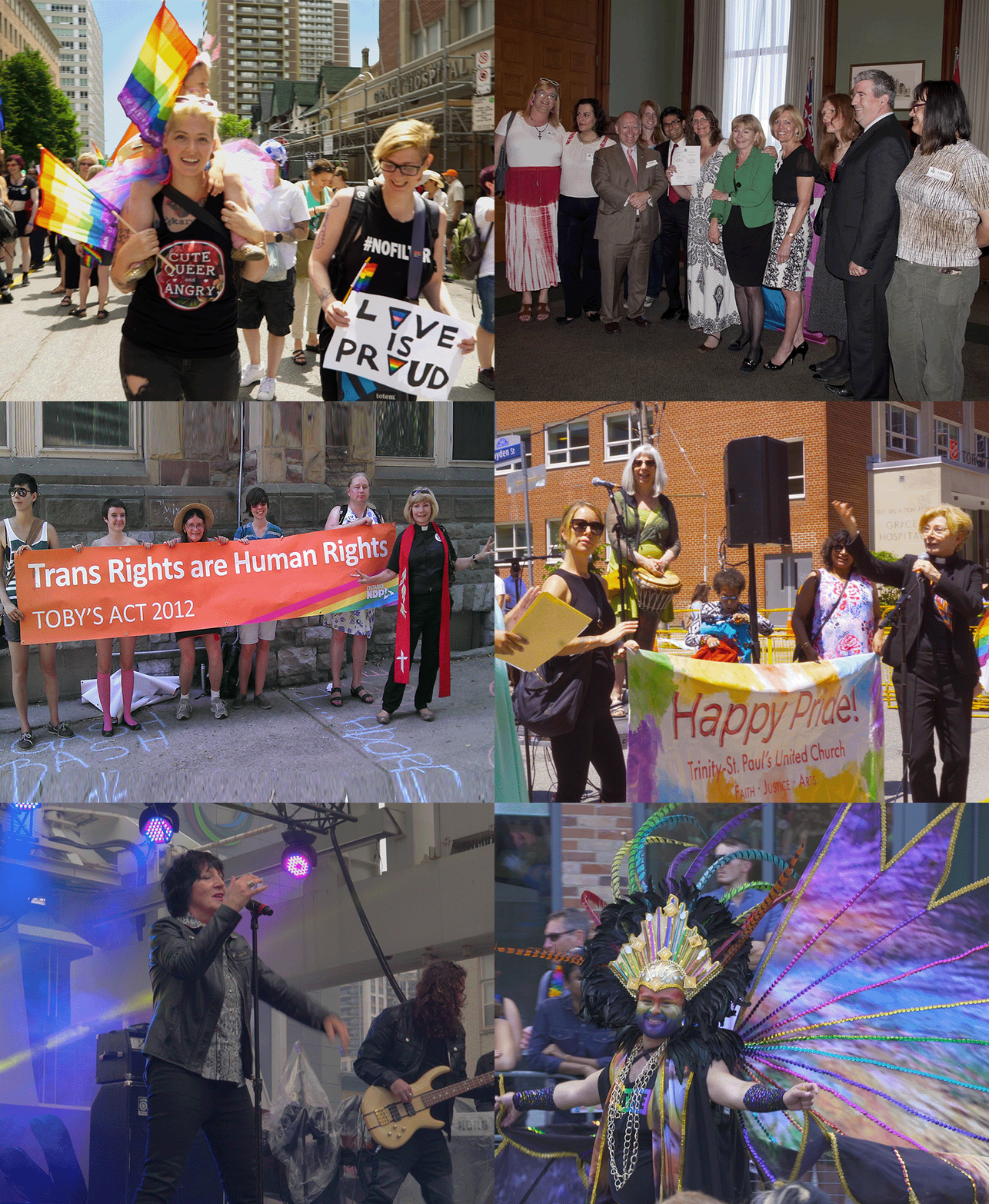
Long before marriage equality became the law of the land, Rev. DiNovo made headlines as the first person to officiate a “legalized” same-sex marriage in Canada, a groundbreaking act of defiance that paved the way for countless couples to celebrate their love openly and equally. Her legacy grew even more monumental with the passing of Toby’s Law, a landmark amendment to the Ontario Human Rights Code that added protections for gender identity and gender expression—the first legislation of its kind in North America. Named in honor of her late transgender music director, Toby Dancer, the law is a testament to her deep commitment to inclusion and equality.
Cheri’s leadership and advocacy have earned her widespread recognition. Named Best MPP by NOW Magazine and honored as a Grand Marshal of Pride Toronto, she became the first-ever 2SLGBTQIA+ Issues Critic at Queen’s Park, where she fought tirelessly for justice and representation.
With courage, compassion, and a fearless determination to challenge the status quo, Rev. Dr. Cheri DiNovo has reshaped the political and social landscape, ensuring that future generations inherit a more equitable and inclusive world. Her story is one of action, faith, and a profound belief in the power of love to change everything.
GEORGE PRATT
2015
Click to hear audible of the following text.
George Pratt is a true pioneer in Toronto’s queer history, a trailblazer who dared to invest in and build spaces where 2SLGBTQIA+ creativity and expression could thrive. Born and raised in Toronto, George’s roots in the city run deep, and his passion for education and empowerment has shaped his remarkable journey from the classroom to the forefront of queer activism and entertainment.
With a background in teaching and a Psychology degree from York University, George understood the transformative power of safe, inclusive environments. He turned that understanding into action, becoming one of the first gay men in Toronto to invest in queer entertainment. His vision wasn’t just about creating nightlife—it was about fostering vibrant, sex-positive spaces where Queer and Trans communities could celebrate their identities free from judgment or fear.
A long-time resident of The Village, George has lived at the heart of Toronto’s 2SLGBTQIA+ community, witnessing its struggles and triumphs over decades. As a passionate activist, he has consistently challenged harmful stereotypes and worked to dismantle barriers, ensuring that Queer and Trans voices are seen, heard, and valued.
George’s legacy is one of courage, vision, and love for his community. His contributions have not only enriched the cultural fabric of Toronto but have also inspired a generation to live authentically and unapologetically. Through education, activism, and entertainment, George Pratt has cemented his place as a cornerstone of Toronto’s 2SLGBTQIA+ history.
BARBARA HALL
2015 Honourary
Click to hear audible of the following text.
Barbara Hall is a trailblazer whose career in law, public service, and advocacy has left an indelible mark on Toronto and beyond. Known for her unwavering dedication to justice, equality, and community building, Barbara’s journey is one of leadership, compassion, and breaking barriers.
As the 61st and final mayor of Toronto before amalgamation, Barbara navigated a pivotal time in the city’s history, demonstrating vision and determination as she worked to unify and uplift diverse communities. Following her time in politics, she was appointed Chief Commissioner of the Ontario Human Rights Commission, where she championed human rights for an impressive 15 years, her term renewed four times. During her tenure, Barbara tackled critical issues, from combating systemic discrimination to advocating for marginalized communities, always placing the dignity of individuals at the forefront.
Barbara’s advocacy for 2SLGBTQIA+ rights has been a cornerstone of her legacy. A familiar face at Pride celebrations, she has marched alongside the community, lending her voice and platform to the fight for equality. Her tireless support was honored in a unique and meaningful way when the park adjacent to The 519 was named Barbara Hall Park. This vibrant community space celebrates her extraordinary contributions and serves as a gathering place for events like the 519 Green Space programming, the WorldPride AIDS Candlelight Vigil, and the stunning Trans Mural—a testament to her lifelong commitment to inclusion and progress.
Barbara Hall’s story is one of relentless advocacy and a deep love for the communities she has served. Her legacy lives on in the hearts of those she has inspired and in the spaces she has helped create—a reminder of what can be achieved through courage, empathy, and an unshakable belief in equality.
JAMES DUBRO
2016
Click to hear audible of the following text.
James Dubro is a living witness to history, a celebrated crime writer, and a vital chronicler of both organized crime and queer life in Toronto. For over five decades, James has lived, worked, and played in Toronto’s downtown gay communities, becoming a steadfast advocate, journalist, and social organizer who has left an enduring mark on the city’s 2SLGBTQIA+ history.
James’s journey began in the tumult of 1969, when, as a student at Columbia University, he found himself outside the Stonewall Inn on June 28, witnessing firsthand the riots that ignited the modern queer rights movement. The bravery of the drag queens and street kids fighting back against police brutality in Greenwich Village would leave an indelible impression on him and set the tone for his lifelong activism.
In Toronto, James was part of the city’s earliest organized queer demonstrations, participating in the historic 1971 Hanlan’s Point picnic—dubbed “the big giggle” by the press—where banners and open celebration marked a bold step toward visibility. His activism extended into journalism, where he became a vital voice for the community. Writing for The Body Politic and reporting on crime issues for Xtra for over 20 years, James balanced his expertise in organized crime with a commitment to telling queer stories with authenticity and courage.
In 1979, James combined his love of community and connection to found The Mayfly, Toronto’s first gay dining club, which thrived for 15 years with monthly dinners and social gatherings that brought people together in friendship and celebration. His commitment to fostering dialogue continued as a long-time member of Toronto’s first police/queer community liaison committee from 1991 to 2002, working to bridge the gap between law enforcement and the 2SLGBTQIA+ community during a pivotal era.
James’s impact wasn’t limited to advocacy; he was a founding member of the University of Toronto’s Gay Academic Union and a board member of the Canadian chapter of the National Lesbian and Gay Journalists Association. Through his writing, community organizing, and activism, James has been an unflinching advocate for justice and visibility.
James continues to call Toronto’s Gay Village home, a neighborhood he’s been part of since the 1970s. His life’s work is a testament to resilience, curiosity, and the power of storytelling—an enduring legacy in both queer history and crime journalism.
DEB PARENT
2016
Click to hear audible of the following text.
Deb’s life has been a powerful anthem of pride, activism, and resilience. Since coming out in 1969 at just 12 years old, she has lived unapologetically as herself, blazing trails for others to follow. Over decades of tireless work, Deb has become a force to be reckoned with—a fierce advocate for social justice, a passionate fighter against violence toward women, and a proud, outspoken lesbian whose energy has inspired countless others.
Her activism began in 1977 when she stepped behind the turntables as a DJ for Lesbians of Ottawa Now, using music to bring people together and fuel the fight for equality. Her beats became more than a soundtrack—they were a rallying cry, encouraging joy, defiance, and solidarity. By 1980, Deb had become one of the first openly lesbian staff members at the Toronto Rape Crisis Centre, where she broke barriers and offered critical support to survivors while working to challenge the systems that perpetuate violence.
Never content to stand still, Deb pioneered Dyke and Trans defence courses, equipping marginalized communities with tools for safety and empowerment. Her leadership extended into political organizing, where she powered New Democratic Party (NDP) election campaigns and strengthened the party’s presence at Pride celebrations across Ontario. Her ability to mobilize communities, often through music and storytelling, has made her a key figure in both grassroots activism and larger political movements.
A mentor to young activists, Deb has always shared her knowledge and passion, ensuring the next generation has the tools to continue the fight for equity and justice. Her efforts have not gone unnoticed—she was awarded the 2007 City of Toronto Human Rights Award, a testament to her unwavering commitment to creating a better world.
Deb’s life is a testament to the power of authenticity, music, and activism. Her story reminds us that pride and outrage can exist side by side, and that through action, we can transform both into meaningful change.
CANDICE KELLY
2016 Honourary
Click to hear audible of the following text.
Candice was nothing short of royalty in the 2SLGBTQIA+ community—a trailblazing force whose reign as Empress of The Imperial Court of Toronto was so iconic, it happened not once but an unprecedented four times. Known as a legend across the International Court System, she earned admiration and respect from coast to coast in Canada and the United States. Candice wasn’t just an Empress; she was a mentor, a mother figure, and a lifeline for countless queens and performers who found both inspiration and sanctuary in her presence.
Toronto’s drag scene owes much of its vibrancy to Candice. A large number of the city’s most celebrated entertainers took their first steps on stage thanks to her. She didn’t just offer them stage time; she offered her heart. Candice provided guidance, shared tips, and nurtured their craft with generosity and patience. But her support went far beyond the spotlight. For many, she became the family they needed when their own turned away—a safe haven where love, acceptance, and laughter thrived.
Her home became a sanctuary where aspiring performers could find more than just a meal or a roof over their heads. It was a place where dreams were encouraged, self-worth was restored, and a chosen family was built. Candice fed them, loved them, and lifted them up, showing them not only how to be better entertainers but also how to be unapologetically themselves.
Candice’s legacy is more than her dazzling crowns or legendary reigns; it’s the lives she touched, the careers she launched, and the love she gave so freely. She wasn’t just a queen—she was an icon of compassion, resilience, and community, someone who will forever be remembered as the heart of Toronto’s drag and court scene.
DEBBIE DOUGLAS
2017
Click to hear audible of the following text.
Debbie Douglas is a powerhouse advocate and leader whose work has transformed the lives of countless newcomers to Canada. As the Executive Director of the Ontario Council of Agencies Serving Immigrants (OCASI), she has spent years championing immigrant rights, building inclusive communities, and shaping policies that open doors for those seeking a new life in Ontario.
A well-known and respected figure across the province and the country, Debbie’s expertise is often sought by governments and organizations looking to navigate complex issues around immigration, race relations, and social equity. She served as a member of Ontario’s Expert Panel on Immigration, contributing to the landmark Routes to Success report, which paved the way for the province’s first-ever immigration legislation in 2015. Her dedication to improving lives doesn’t stop there—Debbie has also been appointed to the provincial working group on income security, where she continues to address systemic inequities that affect vulnerable populations.
Debbie’s work and advocacy have earned her widespread recognition, including numerous prestigious awards. She has been honored with the Women of Distinction Award from YWCA Toronto, the Amino Malko Award from the Canadian Centre for Victims of Torture, and the Race Relations Award from the Urban Alliance on Race Relations. Most recently, in 2016, she was celebrated with the Frances Lankin Community Service Award, a testament to her lifelong commitment to social justice.
Through her leadership, advocacy, and policy work, Debbie Douglas has become a beacon of hope and progress, dedicating her career to creating a fairer, more compassionate society for all.
J. ANDREW BAKER
2017
Click to hear audible of the following text.
J. Andrew Baker is a dynamic force for change, whose career as an educator, administrator, artist, counsellor, and activist has bridged Indigenous and 2SLGBTQIA+ communities with transformative impact. Born and raised in Simcoe County, Ontario, Andrew’s passion for advocacy has carried him from grassroots organizing in Canada to his current role as Senior Development Officer for ILGA in Geneva, Switzerland, where he works on advancing global equality for 2SLGBTQIA+ people.
Over the past two decades, Andrew has dedicated his career and volunteer work to creating lasting change. His extensive experience includes founding three 2SLGBTQIA+ organizations in Canada and implementing over ten vital Indigenous programs in Ontario. With a deep commitment to uplifting marginalized communities, Andrew has raised over $2 million in the past five years to support 2SLGBTQIA+ and Indigenous initiatives, ensuring that these communities have the resources they need to thrive.
In his earlier career, Andrew worked as the Rainbow Health Ontario Community Outreach Worker for the North Simcoe Muskoka Region from 2008 to 2014, where he connected rural and northern communities to essential health services. As a founding member of the Simcoe County LGBTQ2S+ Network, Andrew was instrumental in building spaces for advocacy, support, and visibility in his home region. His work with Fierté Canada Pride as Vice President of Governance, as Past President of Fierté Simcoe Pride, and as Vice President of Operations (male-identified) at InterPride reflects his commitment to fostering collaboration and celebrating diversity on both a local and global scale.
Even while taking on international roles, Andrew remains rooted in education, serving as a faculty member in Indigenous Studies at Georgian College in Barrie, Ontario. His teaching bridges academic knowledge and lived experience, inspiring students to understand the intersections of culture, identity, and justice
Through every project, role, and initiative, J. Andrew Baker exemplifies leadership and vision, creating pathways for inclusion and equality while empowering others to do the same. His life’s work is a testament to the power of collaboration, compassion, and the relentless pursuit of justice.
CHRIS EDWARDS AKA CRISS EDWARDS
2017 Honourary
Click to hear audible of the following text.
Chris Edwards, born in Fort Worth, Texas, on December 24, 1961, was a larger-than-life performer whose talent, charisma, and generosity left an indelible mark on Toronto’s 2SLGBTQIA+ community. In the early 1980s, Chris began his journey into the art of female impersonation, honing his craft in Fort Lauderdale, where his dazzling stage presence caught the eye of producers. They brought him to Canada for An Evening at La Cage, and it was in Toronto that Chris found not only his home but also his fame.
By the late 1980s, Chris had become a cornerstone of Toronto’s queer nightlife. His weekly show at Chaps nightclub was a must-see event, drawing crowds so large that lines often stretched all the way to Yonge Street. With his magnetic personality and unmatched talent, Chris turned his performances into a celebration of joy, pride, and resilience, making his show a staple for Toronto’s queer family.
Chris’s impact went far beyond the stage. He founded the Miss Gay Toronto and Miss Gay Universe pageants, creating platforms that helped launch the careers of many of Toronto’s top entertainers. These pageants remain a cherished tradition, a testament to Chris’s enduring legacy of nurturing talent and uplifting others in the community.
But perhaps Chris’s greatest contribution was his tireless dedication to raising funds for HIV/AIDS causes during the height of the epidemic. Through benefit performances and countless events, he raised over $300,000 for the PWA Foundation and other HIV/AIDS-related organizations. His infectious laugh, sharp wit, and warm spirit brought people together, inspiring generosity and solidarity in a time of crisis.
Tragically, on August 26, 2016, during a performance at Buddies in Bad Times Theatre, Chris collapsed. He passed away on September 6, leaving a community heartbroken but forever grateful for his contributions.
Chris Edwards was more than a performer—he was a symbol of love, resilience, and generosity. Though he is gone, his legacy continues to shine brightly in Toronto’s queer community, reminding us all of the power of laughter, kindness, and unapologetic self-expression. He will never be forgotten.
GLEN BROWN
2017 Honourary
Click to hear audible of the following text.
Glen Wesley Brown’s journey from the wide-open prairies of Gravelbourg, Saskatchewan, to the bustling streets of Toronto is a story of resilience, leadership, and unwavering commitment to community. Raised in a farming family, Glen grew up surrounded by the values of hard work and care for others—values that would define his career as a pioneering advocate and leader in the 2SLGBTQIA+ and HIV/AIDS communities.
Arriving in Toronto in the late 1980s, Glen quickly became a central figure in the fight against the HIV/AIDS epidemic. As a passionate activist with AIDS Action Now!, he stood on the front lines, demanding change, resources, and justice for those affected by the crisis. Over nearly three decades, Glen cemented his place as a respected advocate, organizational leader, and trusted advisor in the HIV/AIDS sector, making a profound impact on the lives of many.
Glen’s expertise extended to some of the city’s most important community organizations. He served as interim Executive Director for both the AIDS Committee of Toronto and Pride Toronto, guiding them through challenging times with steady leadership and clear vision. Known for his ability to foster collaboration and stability, Glen was widely credited with helping organizations transition and thrive during periods of uncertainty.
In addition to his leadership roles, Glen co-founded the Program Consultants Network of Toronto, a collective of professionals dedicated to advising and supporting not-for-profit organizations across Ontario and Canada. His work strengthened countless initiatives, empowering organizations to better serve their communities.
Later in his career, Glen’s passion for advocacy expanded into the environmental sector, where he served as a director and ultimately Chair of the Board of Greenpeace Canada. His commitment to social justice seamlessly extended to environmental activism, reflecting his deep belief in building a more equitable and sustainable world.
Throughout his life, Glen was more than a leader—he was a friend, mentor, and steadfast ally to countless individuals. His kindness, wisdom, and determination left an indelible mark on everyone he worked with, and his contributions continue to ripple across communities.
Glen Wesley Brown’s legacy is one of courage, compassion, and a relentless drive to make the world better for all. From the prairies to the boardrooms, his story is an inspiration to those who follow in his footsteps.
MYKEL HALL AKA DJ BLACKCAT
2018
Click to hear audible of the following text.
DJ BlackCat is a Toronto legend, a dynamic force in the 2SLGBTQIA+ community, and a master of the decks who has been entertaining audiences for over 25 years. Known as “The Funky Dread,” he got his start at the iconic El Convento Rico, and from there, his career has exploded into a globe-spanning journey that has made him a household name in the queer nightlife scene.
Born and raised in Toronto, with proud Jamaican roots, DJ BlackCat has an innate ability to mix genres and create unforgettable soundscapes. His first love is House music, but his sets effortlessly blend Dancehall, Hip-Hop, R&B, Dance, and Soca, making every event an electrifying experience. Whether spinning for College Night Wednesdays, Big Primpin, Birthday Sex, or the legendary Yes Yes Y’All, DJ BlackCat’s beats are guaranteed to keep the dance floor packed and pulsing.
But his talent doesn’t stop at spinning tracks—DJ BlackCat is also a gifted promoter and event creator. He’s the mastermind behind “GO HARD,” a monthly party that has become a cornerstone of Toronto’s queer nightlife, and “OVAH,” a celebration of House music that takes place at Club 120. His influence has reached far beyond Toronto, with DJ appearances at Pride events in Montreal, Washington, Atlanta, Dallas, Chicago, Jamaica, and New York City. Looking ahead, he’s excited to bring his sound to Guyana and UK Black Pride.
In addition to his DJ work, DJ BlackCat was the co-owner of Miss Opulence Drag Pageant, which celebrated the artistry and creativity of drag performers and showcased BlackCat’s dedication to uplifting and empowering his community.
With appearances on TV, radio, and in publications like The Globe and Mail and The Toronto Star, DJ BlackCat has become a cultural icon, bridging music, art, and activism. But despite his global success, he remains rooted in Toronto, constantly innovating and creating spaces where people can feel free, celebrated, and connected.
One thing is certain: when DJ BlackCat is on the decks, the energy is unstoppable. This Black Cat never sleeps, and neither will you if you dare to cross his path at one of his legendary events.
SAVOY HOWE
2018
Click to hear audible of the following text.
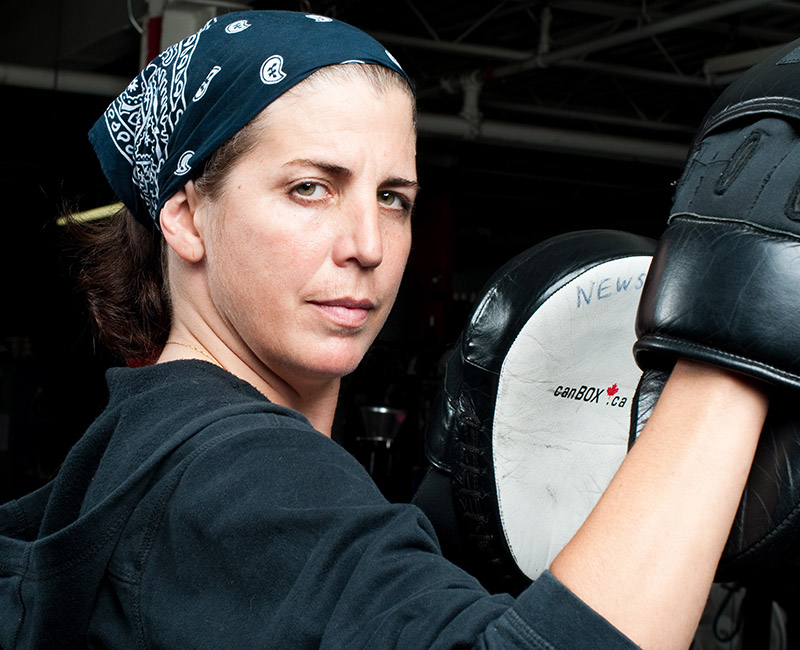
Savoy “Kapow!” Howe is a trailblazer, activist, and boxing powerhouse who has shattered glass ceilings in the male-dominated world of boxing while creating inclusive spaces for women and Trans* individuals. Originally from New Brunswick, Savoy’s journey began far from the boxing ring. With a theatre degree from McMaster University and over 30 years as a performer, she brought her creativity and tenacity into the world of sports in a way that would forever change the landscape.
Savoy’s love affair with boxing began in 1992 at the Toronto Newsboys Boxing Club. A year later, she made history by competing in one of Toronto’s first-ever sanctioned boxing matches for women. Driven by a vision for a more inclusive and welcoming boxing culture, Savoy founded the Toronto Newsgirls Boxing Club in 1996. As Canada’s first female and Trans*-positive boxing gym, Newsgirls became a safe haven for countless individuals looking to find strength, confidence, and community in the ring.
Her journey hasn’t been confined to the boxing gym. In 1994, Savoy rollerbladed an astonishing 1,600 kilometers across central Ontario as part of “Blade for AIDS,” an awareness campaign for HIV/AIDS. Over the years, her activism has extended far beyond the sport, from campaigning against harmful figures like American “pick-up artist” Roosh V, to leading her team of Newsgirls in a decade-long tradition of marching—and sparring—in the Dyke March with their traveling boxing ring.
Savoy has also harnessed her theatrical talents to tell her story. Her one-woman show, Newsgirl, developed at Soulotheatre, recounts the inspiring herstory of the Toronto Newsgirls Boxing Club and her personal journey as a woman breaking into the male-dominated world of boxing.
Beyond the ring, Savoy’s dedication to inclusivity shines through her program “Outside the Ring,” a free initiative designed to make boxing accessible to 2SLGBTQIA+ and Indigenous communities, newcomers to Canada, and individuals with mobility challenges.
Savoy’s leadership and legacy are more than punches thrown—they’re about breaking down barriers, building community, and empowering people to find their strength, both inside and outside the ring. Whether in the gym, on the stage, or pounding the pavement for a cause, Savoy “Kapow!” Howe continues to inspire and fight for a world that’s stronger, fairer, and more inclusive for all.
DAVE HINGSBURGER
2018
Click to hear audible of the following text.
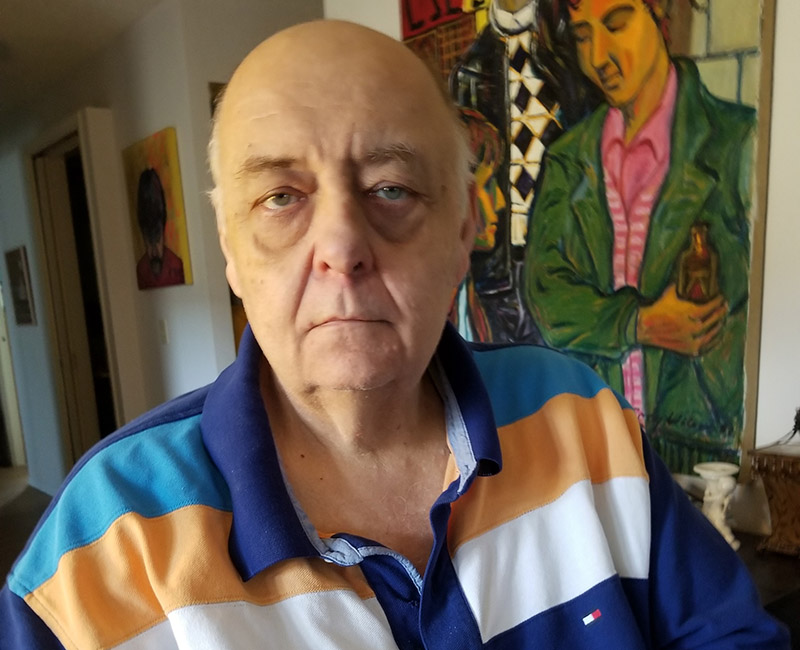
Dave Hingsburger was a trailblazing advocate who dedicated his life to challenging the stigmas and injustices faced by people with intellectual disabilities, particularly when it came to their rights to intimacy, relationships, and sexuality. In a world that too often sought to control, suppress, or erase the sexuality of people with disabilities, Dave stood as an unwavering voice for change.
The history of people with disabilities is marked by brutal and dehumanizing practices—forced sterilization, electric shock treatments, and outright bans on relationships. In the face of this grim reality, Dave championed the idea that people with intellectual disabilities are fully human, with the same needs for love, connection, and self-expression as anyone else. He fought against the prevailing notion that they should remain perpetual children, devoid of autonomy or adult experiences, and he called for a radical shift in how society viewed and treated them.
In an era when service providers often enforced policies forbidding intimacy and relationships, Dave spoke out, demanding recognition of the rights of people with disabilities to live full, authentic lives. He broke ground by addressing topics many avoided, including the 2SLGBTQIA+ identities of people with intellectual disabilities. His article on this subject was among the first ever published, and he faced fierce opposition when speaking at conferences, where he passionately defended the legitimacy of their sexualities and identities.
Dave’s work wasn’t limited to advocacy alone—he created practical, compassionate tools to educate and empower. His groundbreaking video and book series, such as Hand Made Love: A Guide to Teaching Men with Intellectual Disabilities About Masturbation and Finger Tips, a similar resource for women, offered dignity and respect in addressing sensitive topics. These resources are now seen as foundational in sex education for people with intellectual disabilities.
Over the decades, Dave’s voice reverberated through the human service sector, earning him widespread respect and recognition for his tireless efforts. His legacy is one of compassion, courage, and a steadfast belief in the humanity of all people. Through his groundbreaking work, he not only changed policies and perceptions but also opened doors to fuller, richer lives for countless individuals.
JIM PARROT
2019
Click to hear audible of the following text.
Jim Parrott’s journey from a small Saskatchewan town to a life of activism and advocacy is a story of resilience, discovery, and unapologetic pride. Born in the 1950s, Jim knew who he was by the age of five but grew up in a time and place where being himself wasn’t safe or accepted. In 1961, he made his great escape to Kingston, Ontario, which seemed like a beacon of sophistication compared to his prairie roots. By 1965, he had moved to Toronto, balancing life as a grad student by day and a weekend hippie by night, exploring the vibrant cultural shifts of the era.
Jim’s professional life as a librarian began in 1970 at the University of Waterloo, where he worked until 2007. But it was his passion for advocacy within the 2SLGBTQIA+ community that truly defined him. Starting in 1971, he became a steadfast activist in Waterloo Region, dedicating over 20 years to Glow, one of Canada’s longest-running university queer groups. Jim also played a crucial role in the region’s Pride Committee during its formative years from 1996 to 2000, helping to lay the foundation for the vibrant celebrations that continue today.
In 2011, Jim turned his attention to preserving local queer history as the editor of the Grand River Rainbow Historical Project. By 2012, his activism took on new dimensions with his involvement in SPECTRUM – Waterloo Region’s Rainbow Community Space, a hub for connection, support, and advocacy in the area.
But Jim’s life isn’t just about committees and campaigns. For the past two decades, he and his husband, William Pensaert, have taken to the streets of Waterloo Region—and beyond—hand in hand, proudly living their truth. Their public displays of affection, often labeled as “flaunting their lifestyle,” have been equal parts statement and celebration, offering visibility in places where it’s still much needed.
Jim Parrott’s life is a testament to courage, persistence, and joy. From a prairie boy with a secret to a proud, unapologetic trailblazer, Jim has spent a lifetime breaking barriers, fostering community, and offering hope to those who follow in his footsteps.
LEZLIE LEE KAM
2019
Click to hear audible of the following text.
LeZlie’s story is one of unapologetic pride, relentless advocacy, and a lifetime dedicated to building community. She came out as a DYKE in 1976 and quickly immersed herself in activism, volunteering as a peer counselor on the Lesbian Organization of Toronto (LOOT) phone line. In the 70s and 80s, LeZlie was a trailblazer as one of only a handful of lesbians/dykes of colour frequenting Toronto’s vibrant bar scene, dancing the nights away at iconic spots like The Studio, The Cameo, Katrina’s, and The Quest.
Her accomplishments over the decades are nothing short of extraordinary, representing countless “firsts” for the 2SLGBTQIA+ community in Toronto and beyond. LeZlie co-founded Lesbians of Colour, organizing the very first contingent of dykes/lesbians of colour to march in the Toronto Pride parade. She later helped establish the Proud and Visible Coalition, uniting dykes/lesbians and gay men of colour for their debut appearance in the Pride parade, a powerful display of solidarity and visibility.
LeZlie’s contributions extended far beyond parades. She co-hosted Island Spice at The Red Spot on Church Street, a groundbreaking monthly event where dykes/lesbians and gay men of colour could come together to dance, perform, and celebrate. By 2012, she turned her focus to queer seniors, becoming an advocate for those entering care facilities. She co-chaired the Senior Pride Network (SPN) and later served as its sole chair, spearheading efforts to address the unique challenges faced by queer elders. Between 2014 and 2017, she co-produced TIME AFTER TIME, an intergenerational social event for seniors, and in 2016, she premiered a video at the Caribbean Tales International Film Festival.
LeZlie’s influence also spans advisory and advocacy work. She serves on numerous committees, including the Patient Caregiver Advisory Table for the Ministry of Health, the Registered Nurses of Ontario Expert Panel on Best Practice Guidelines for 2SLGBTQI+ people, and the Ageing Without Violence Advisory Committee. She is also the Community Co-chair of the National Seniors Advisory Council of EGALE.
As if her activism weren’t enough, LeZlie is a tireless volunteer for organizations like ImagineNATIVE, Luminato, InsideOUT, Hot Docs, Toronto Pride, ReelAsian, Bridgepoint Active Healthcare, and SOY (Supporting Our Youth) at the Sherbourne Health Centre. For over 43 years, she has worked to educate and empower queer youth and elders alike, leaving an indelible mark on countless lives.
And when she’s not changing the world? LeZlie loves to dance, indulge in a doubles, and enjoy a good old Trini “lime.” Her passion, dedication, and joy are an inspiration to all who know her.
JACKIE SHANE
2019 Honourary
Click to hear audible of the following text.
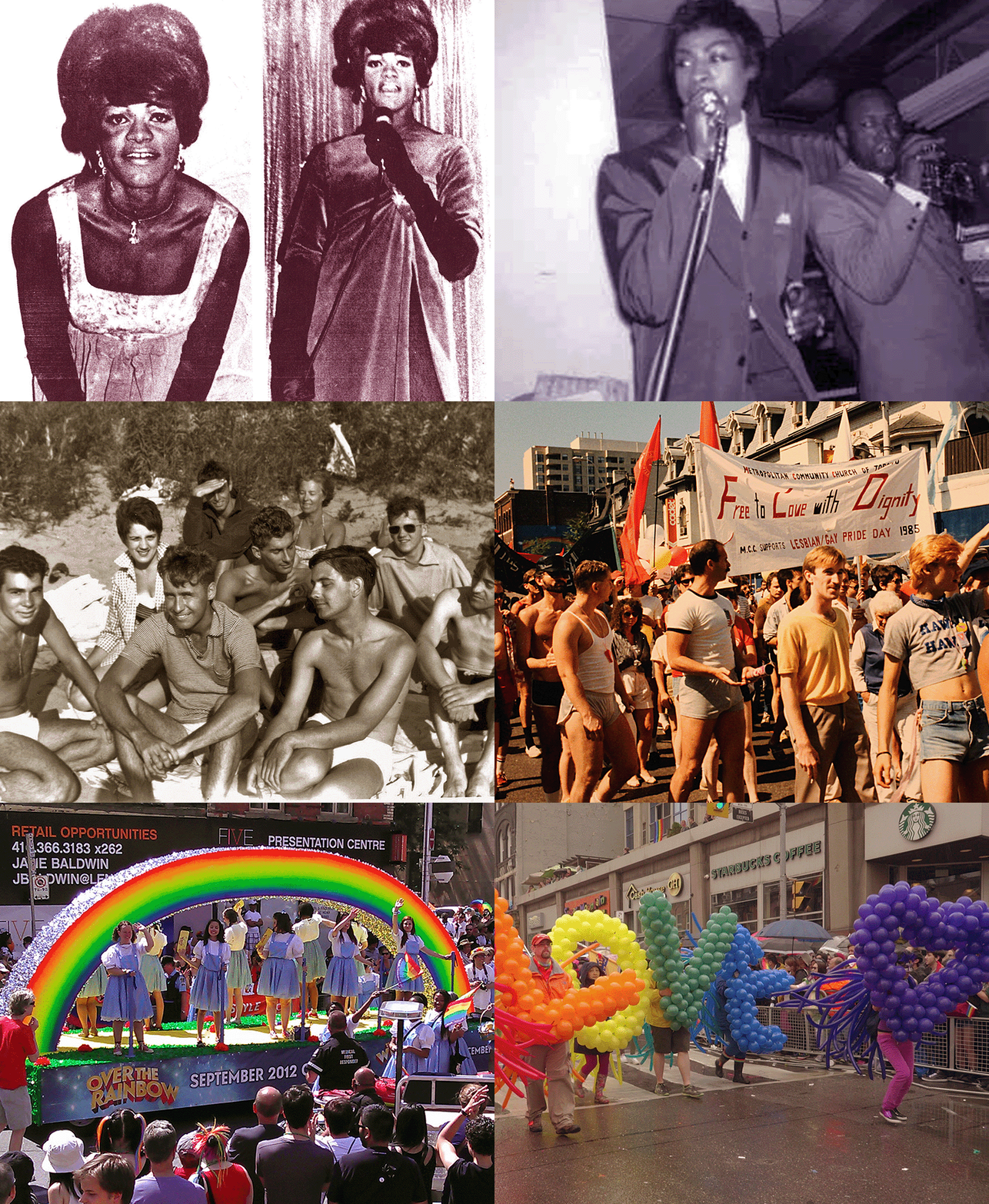
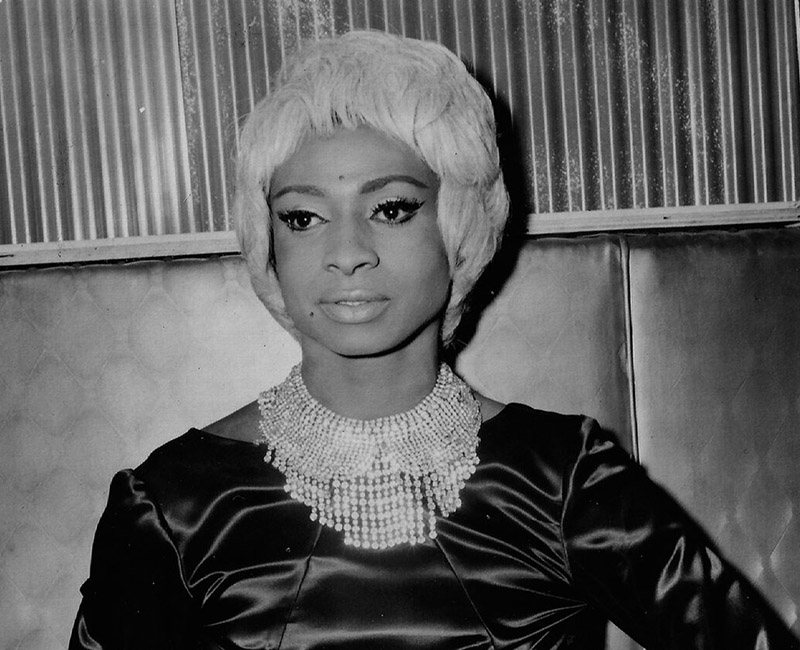
Jackie Shane (May 15, 1940 – February 21, 2019) was an American soul and rhythm and blues singer whose voice and presence made her a trailblazer in music and identity. Rising to fame in the 1960s, Jackie became a key figure in Toronto’s vibrant music scene and a pioneer for transgender visibility, long before the term was widely understood. Best known for her soulful rendition of “Any Other Way,” which became a regional Top 10 hit in Toronto in 1962 and charted nationally in Canada in 1967, Jackie’s influence extended far beyond the stage.
Born in Nashville, Tennessee, Jackie’s early life was shaped by the constraints of the Jim Crow South. Even as a young person, she defied conventions, wearing long hair, makeup, and jewelry while pursuing her passion for music. In the late 1950s, determined to escape the oppressive environment of the South, Jackie joined a traveling carnival. Her journey brought her to Cornwall, Ontario, in 1959, where she experienced freedom and acceptance for the first time.
By 1960, Jackie had moved to Montreal, where a chance encounter at the iconic Esquire Show Bar changed her life. Saxophonist “King” Herbert Whitaker invited her to watch Frank Motley and his Motley Crew perform. Intrigued, Jackie sat in the audience until Motley encouraged her to take the stage. When she performed hits by Ray Charles and Bobby “Blue” Bland, she captivated the crowd—and the band. Jackie quickly became their lead vocalist, relocating with the Motley Crew to Toronto in late 1961.
Toronto embraced Jackie Shane. With her powerful voice, commanding stage presence, and distinctive style, she became a star of the local music scene and a vital contributor to the “Toronto Sound.” Despite her success, Jackie’s life and career were often complicated by misunderstandings about her gender identity. Throughout her career, the media described her as a man performing in feminine clothing or labeled her as a drag queen. While Jackie largely dodged questions about her gender, she occasionally identified as male in interviews but often let her authenticity speak for itself. It wasn’t until 2017 that Jackie was definitively recognized in media as a transgender woman.
Jackie’s career took her across North America, from touring with the Motley Crew to recording in New York and performing on television in Nashville. She even played drums during recording sessions in Los Angeles. Despite her fame, Jackie eventually stepped away from the spotlight, leaving an enduring legacy as a trailblazer in music and a quiet revolutionary for 2SLGBTQIA+ visibility.
Jackie Shane’s story is one of resilience, talent, and unapologetic authenticity. Though she passed away in 2019, her influence continues to resonate, both in the music she left behind and in the courage she embodied throughout her life.
EL-FAROUK KHAKI
2020 / 2021
Click to hear audible of the following text.
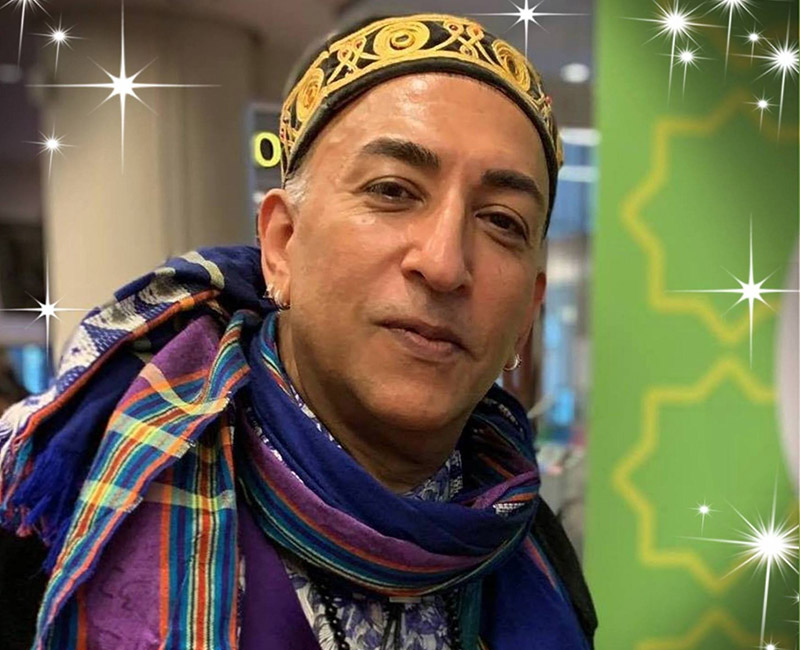
El-Farouk Khaki is a Tanzanian-born Shia Canadian of Indian origin, renowned as a refugee and immigration lawyer, human rights activist, and champion of gender equality, sexual orientation rights, and progressive Islam. Born in Tanzania, his family fled political persecution in 1971, arriving in Canada in 1974 and settling in Vancouver, where Khaki grew up. After earning his law degree from the University of British Columbia, he moved to Ottawa in 1988 and then to Toronto in 1989, where he established his legal practice in 1993.
In 1993, Khaki founded Salaam, the first gay Muslim support group in Canada and the second in the world. He later co-founded the El-Tawhid Juma Circle/Unity Mosque, a gender-equal, 2SLGBTQIA+ affirming space for prayer, alongside his partner Troy Jackson and academic Laury Silvers. He also co-founded the Canadian Muslim Union after a split from the Muslim Canadian Congress, where he served as Secretary-General.
Khaki has been deeply involved in community service, including serving on the Toronto Mayor’s Committee on Community & Race Relations, the board of The 519 Community Centre, and as chair of Africans in Partnership Against AIDS. A tireless advocate, he has spoken widely on issues such as refugee protection, global AIDS, Canadian multiculturalism, and the persecution of sexual minorities.
Khaki’s activism and legal work have earned him numerous accolades, including the Steinert and Ferreiro Award, the Pride Award for Excellence in Spirituality, and the Canadian Bar Association’s Sexual Orientation and Gender Identity Conference Hero Award. Married to his longtime partner Troy Jackson since 2014, Khaki continues to inspire change and advocate for justice both in Canada and globally.
DR. NOTISHA MASSAQUOI
2020 / 2021
Click to hear audible of the following text.
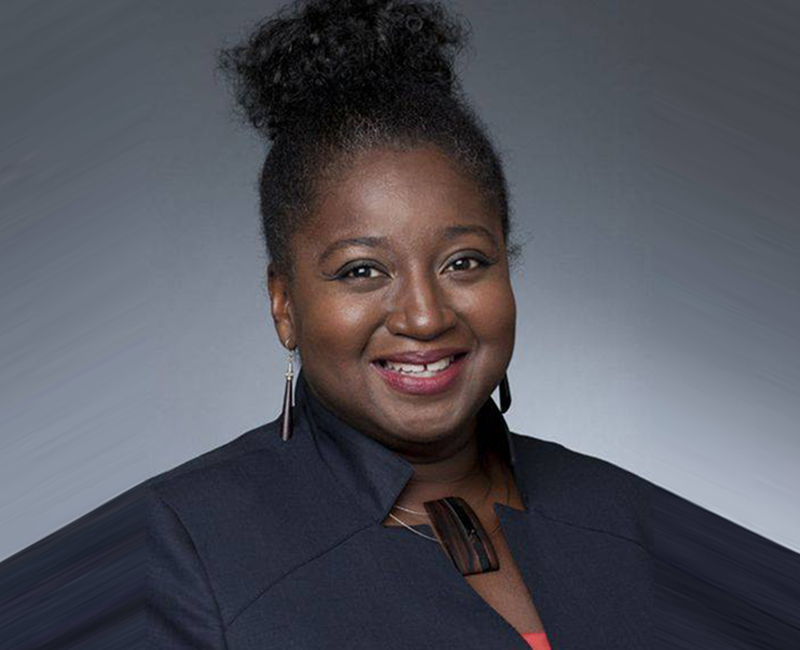
Dr. Notisha Massaquoi’s journey begins in the vibrant heart of Sierra Leone, where her early experiences inspired a lifelong mission to uplift and advocate for the health and well-being of Black women around the globe. With a career spanning more than three decades, she has built an extraordinary legacy rooted in compassion, resilience, and an unrelenting commitment to equity.
Arriving in Canada, Dr. Massaquoi quickly immersed herself in social services, where her visionary leadership gave rise to pivotal organizations like The African Resource and Communications Centre and Harambe Centres Canada. These programs became lifelines for newly arrived African communities, fostering connection and empowerment in an unfamiliar land. Her early work also broke barriers for Queer Africans and Africans living with HIV. As the founding staff member of Africans in Partnership Against AIDS, she established Canada’s first counseling support programs for these communities—laying the foundation for her enduring dedication to this critical cause.
For 21 years, Dr. Massaquoi served as the Executive Director of Women’s Health in Women’s Hands Community Health Centre (WHIWH-CHC) in Toronto. Under her stewardship, WHIWH-CHC became a beacon of hope, offering specialized primary healthcare to racialized women and trans individuals—the only health centre of its kind in North America. Through her leadership, WHIWH-CHC pioneered Canada’s first community-based research program dedicated to Black women’s healthcare and launched the only HIV program tailored specifically for Black women in the country.
Dr. Massaquoi’s work extended far beyond the walls of the health centre. Her research, advocacy, and publications have championed equitable access to healthcare for Black communities, shining a spotlight on systemic inequities and the urgent need for race-based data collection. Her insights have rippled across borders, influencing international conversations on health equity and sparking change in countless communities.
Her influence, however, did not stop at healthcare. Most recently, she co-chaired the Toronto Police Service Board’s Anti-Racism Advisory Panel, spearheading the development of Canada’s first race-based data collection policy for law enforcement. This groundbreaking policy aims to identify and dismantle systemic bias and anti-Black racism within the Toronto Police Service—a milestone in the fight for justice and accountability.
Dr. Massaquoi’s passion for supporting the 2SLGBTQIA+ community has been equally transformative. She has worked with grassroots organizations across Africa and the Caribbean, championing the rights of queer individuals and mentoring Black queer youth in Canada through initiatives like Supporting Our Youth. Her unwavering support for queer African refugees has provided hope and guidance to countless individuals seeking safety and acceptance.
Her expertise has also enriched academic institutions, as she has lectured at Dalhousie University, York University, and Toronto Metropolitan University (formerly Ryerson University). Beyond academia, her leadership has strengthened numerous Toronto-based non-profits, including the Sherbourne Health Centre, the Black Coalition for AIDS Prevention, and Family Service Toronto.
Through every chapter of her remarkable life, Dr. Notisha Massaquoi has embodied the spirit of change, lifting others as she carves a path toward a more equitable future. Her story is one of profound impact, driven by a steadfast belief in justice, community, and the transformative power of care.
GEORGE HISLOP
2020 / 2021 Honourary
Click to hear audible of the following text.
George Hislop, born on June 3, 1927 in Swansea, now part of Toronto, began his journey as a theatre student at the University of Toronto. By the 1950s, he was performing on stage and television in London and Toronto. In 1958, he met Ronald Shearer at Hanlan’s Point, beginning a lifelong partnership that lasted until Ronald’s death in 1986. Together, they became Canada’s first openly gay couple to feature in national media, challenging societal norms and paving the way for greater 2SLGBTQIA+ visibility.
George was a trailblazing 2SLGBTQIA+ rights activist, co-founding the University of Toronto Homophile Association in 1969 and the Community Homophile Association of Toronto in 1971. He organized Canada’s first gay rights demonstration on Parliament Hill and became the country’s first openly gay candidate for public office, running for alderman in 1980 and the provincial legislature in 1981. During the infamous 1981 bathhouse raids in Toronto, George stood at the forefront of resistance, leading the fight against systemic persecution of the 2SLGBTQIA+ community.
Throughout his career, George championed 2SLGBTQIA+ rights at every level. He lobbied for the inclusion of sexual orientation in the Charter of Rights and Ontario’s Human Rights Code and served as a leader during the AIDS crisis, holding positions on the AIDS Committee of Toronto and as founding president of the Hassle Free Clinic. In 2003, at age 76, he spearheaded a landmark class-action lawsuit for same-sex survivor pensions, achieving the largest trial judgment of its kind in Canadian history.
George’s legacy lives on through his many contributions, including the naming of George Hislop Park in Toronto. Honored with awards like the Karl Heinrich Ulrichs Award, he remains a symbol of courage and advocacy, inspiring generations to fight for equality and justice for the 2SLGBTQIA+ community in Canada and beyond.
RUTHANN TUCKER
2020 / 2021 Honourary
Click to hear audible of the following text.
Ruthann Tucker devoted her life to improving the lives of people living with HIV/AIDS, leaving an indelible mark on organizations such as ACT, Fife House, the Ontario HIV Treatment Network (OHTN), and The Hamilton AIDS Network. At Fife House, her leadership transformed housing outreach and community programs, driving the organization’s largest expansion of housing and support services. Her vision culminated in a groundbreaking partnership with Wellesley Central Health Corporation and WoodGreen Community Services, leading to the creation of the Tony Di Pede Residence / Wellesley Central Residence. This remarkable project provided 112 units of supportive housing for people living with HIV/AIDS and seniors, embodying Ruthann’s deep understanding that housing is a critical determinant of health for those affected by HIV.
Ruthann’s commitment to addressing systemic challenges went beyond housing. In collaboration with community leaders and OHTN, she was instrumental in launching Positive Spaces Healthy Places, Canada’s first province-wide community-based research initiative to explore the relationship between housing and health for people living with HIV. This groundbreaking work shed light on the pressing need for secure and supportive housing, influencing policies and programs across Ontario. Ruthann’s advocacy and research cemented her reputation as a visionary in the HIV/AIDS sector.
In recognition of her tireless efforts, Ruthann was awarded the Ontario AIDS Network Honour Roll Award in 2005—a testament to her impact long before her work was complete. Tragically, Ruthann passed away on February 16, 2018, following complications from a stroke. Surrounded by loved ones and cared for by a palliative team, her final moments were a reflection of the compassion she had always shown others.
To honor her legacy, Fife House dedicated its rooftop garden as the Ruthann Tucker Memorial Garden, a space that symbolizes her enduring contributions. Through her visionary leadership and relentless passion, Ruthann not only transformed the lives of those she served but also set a lasting foundation for the future of HIV/AIDS care and support in Ontario.
PATRICIA WILSON
2022
Click to hear audible of the following text.
To be served a drink by Patricia Wilson was a badge of honor in Toronto’s 2SLGBTQIA+ community. A guardian angel to many, Patricia arrived in the city in 1993 from Windsor, Ontario, where she had transitioned while working as a welder. Her journey included time as an arts administrator and a stint in the Los Angeles rock scene before she found her place at Buddies in Bad Times Theatre. Hired immediately as a bartender, Patricia quickly became a beloved fixture, known not just for her service but for her humor, warmth, and unwavering support for the community.
By the early 2000s, Patricia’s creative talents took center stage. She emerged as a poet, the lead guitarist of the band Crackpuppy, and a master of the modern-day art form: the iconic Facebook status. Her candid, often hilariously long-winded posts gained a devoted following among Toronto’s queer community, who looked forward to her musings as a daily delight. The posts became so beloved that many encouraged Patricia to compile them into a book.
Taking the suggestion to heart, Patricia collaborated with her longtime friend and poet David Bateman to create Musings From The Bunker and Slouching Towards Womanhood. The book combined dozens of her celebrated Facebook statuses with a collection of her poetry, offering readers an authentic and deeply personal glimpse into her life and thoughts. It quickly became a testament to her wit, creativity, and connection to the community.
Patricia’s life and work embody the resilience, artistry, and humor that have long defined Toronto’s 2SLGBTQIA+ community. Whether behind the bar, on stage, or in her writing, she has left an indelible mark, inspiring countless others with her honesty and unapologetic authenticity.
DENISE BENSON
2022
Click to hear audible of the following text.
Denise Benson has spent decades harnessing the transformative power of the dancefloor, bringing Toronto’s 2SLGBTQIA+ community together through music, history, and celebration. An award-winning DJ, writer, event producer, and social historian, Denise believes the dancefloor is a place where queer people can both lose and find themselves. Since the late 1980s, she has created iconic events like Dyke Nite, S.H.E. Saturdays, Synchro, Bent, and Cherry Bomb—spaces that have become havens for self-expression and connection.
Beyond the turntables, Denise’s passion for storytelling shines. For 21 years, she hosted and produced Mental Chatter on CKLN, Toronto’s beloved community radio station. Her sharp insights as a music columnist graced the pages of EYE Weekly, Exclaim!, and The Grid. In 2015, she published Then & Now: Toronto Nightlife History, chronicling the city’s vibrant club culture. Denise continues to explore the intersections of music and community, including her work on the 2021 Gaybourhood Music Tour, an interactive experience sharing the stories of Toronto’s trailblazing 2SLGBTQIA+ venues and artists.
Today, Denise’s creativity thrives in film and television, where she works as a writer and researcher on music documentaries, including projects for Banger Films. She also serves as co-producer and host of the upcoming documentary Outrave, which delves into the history of queer nightlife and culture. Whether behind the decks or behind the scenes, Denise’s work centers on preserving and celebrating the spirit of queer communities through the lens of music and storytelling.
At home, Denise is simply “Mommy” to her son, Tyler—a title that, much like her career, reflects her ability to nurture and inspire those around her.
TRACEY ERIN SMITH
2023
Click to hear audible of the following text.
Tracey Erin Smith has spent her life as an award-winning artist and activist, dedicated to amplifying the voices of 2SLGBTQIA+ individuals across Canada and beyond. More than 25 years ago, she founded SOULO Theatre, a groundbreaking initiative that invites members of the 2SLGBTQIA+ community to step onto the stage and share their stories with pride and authenticity. Through workshops, performances, and mentorship, Tracey has helped countless individuals transform personal experiences into powerful theatrical pieces, fostering connection and healing within and beyond the queer community.
Her passion for storytelling extends to the screen as well. Tracey is the creator and host of the critically acclaimed documentary series Drag Heals, an innovative show that delves into the lives of Canadians from diverse genders, generations, and cultural backgrounds, all united by their exploration of drag. Now entering its fourth season, Drag Heals celebrates drag as a transformative art form while showcasing the personal journeys and truths of its participants. The series has gained international recognition, bringing Tracey’s mission of empowerment and inclusion to a global audience.
Tracey’s roots run deep in Toronto/Tkaronto, where she was born and raised. Today, she splits her time between the city and the quiet beauty of Southwest Nova Scotia, on the unceded lands of the Mi’kmaq people. There, alongside her partner, Sarah Garton Stanley, and their dog, Matzo, she co-stewards Birchdale—a once off-grid hunting and fishing lodge they’ve transformed into a sanctuary for creativity and renewal. Birchdale serves as a space where Tracey continues her work in cultivating artistic expression and fostering community.
Whether on stage, screen, or in the rural landscapes of Nova Scotia, Tracey’s life is a testament to the power of storytelling as a tool for change. Her work not only amplifies marginalized voices but also builds bridges of understanding, inspiring audiences worldwide to embrace the richness of diverse human experiences. Through her art and activism, Tracey Erin Smith has become a force for transformation, proving that personal stories, told with heart, can change the world.
MICHAEL BACH
2023
Click to hear audible of the following text.
Michael Bach’s journey in the world of inclusion, diversity, equity, and accessibility (IDEA) is one of purpose and passion. As a celebrated author, speaker, and thought leader, Michael has spent nearly two decades reshaping how organizations approach IDEA, leaving an indelible mark along the way.
It all began with his founding of transformative initiatives like the Canadian Centre for Diversity and Inclusion (CCDI), CCDI Consulting, and Pride at Work Canada. These organizations have become pillars of progress, championing the cause of equity and accessibility in workplaces across Canada and beyond.
Before stepping into his role as the founding CEO of CCDI and CCDI Consulting, Michael honed his expertise at KPMG Canada, where he served as the national leader for diversity, equity, and inclusion. His impact extended globally as the deputy Chief Diversity Officer for KPMG International, a role that solidified his reputation as a trailblazer in the field.
Michael’s influence isn’t confined to boardrooms and conference stages. In 2020, he captured his insights in Birds of All Feathers: Doing Diversity and Inclusion Right. The book became a Globe and Mail, Toronto Star, and Amazon bestseller, earned a silver Nautilus Book Award in the Rising to the Moment category, and was a finalist for the Legacy Nonfiction category in the American Bookfest’s Best Book Awards.
Not one to rest on his laurels, Michael continued the conversation with his 2022 release, Alphabet Soup: The Essential Guide to LGBTQ2+ Inclusion at Work. This Toronto Star bestseller was also recognized as a finalist in the General Nonfiction category for the American Bookfest’s Best Book Awards, reinforcing Michael’s role as a trusted voice in creating inclusive workplaces.
From inspiring leaders to transforming corporate cultures, Michael Bach’s story is one of unwavering dedication to a world where everyone, in all their diversity, feels they belong.
CAROL RUDDELL
2023 Honourary
Click to hear audible of the following text.
Carol Ruddell was a trailblazer in municipal politics, whose dedication to equal access and justice left a lasting legacy in her community. Elected to Scarborough council in 1966, she made history as the first Canadian politician to give birth while in office. Her leadership and vision quickly propelled her to the Toronto Metro Council in 1975, where she helped shape regional policies on healthcare, housing, and public services. Carol’s involvement on boards like Scarborough General Hospital and the Federation of Canadian Municipalities highlighted her commitment to improving the lives of her constituents through pragmatic and inclusive solutions.
A fierce advocate for citizen participation, Carol introduced the concept of open dialogue in council meetings, making Scarborough the first city to embrace this democratic approach. Her belief in transparency and community engagement reshaped political processes, paving the way for more inclusive decision-making. Carol also tackled systemic inequality head-on, fearlessly challenging prejudice and intolerance. In 1981, she stood as the sole Toronto Metro Council member to speak out against the infamous bathhouse raids, firmly defending the rights and dignity of the 2SLGBTQIA+ community.
Carol’s impact extended beyond politics into grassroots activism. As a founding board member of the Second Base Youth Shelter and President of Masaryktown Non-Profit Housing, she championed affordable housing and safe spaces for vulnerable populations. Her tireless volunteerism was a cornerstone of her life, as she lent her time and expertise to countless causes, from healthcare to youth advocacy. Carol’s efforts not only transformed lives but inspired others to continue her fight for equity and justice.
A force of nature both in council chambers and in her community, Carol Ruddell’s unwavering commitment to equality and inclusion serves as a powerful reminder of what fearless leadership can achieve. Her legacy continues to shape the lives of countless individuals and stands as an enduring beacon of hope and progress.
A video that celebrates 13 Years of INSPIRE Awards
13 Years of INSPIRE Awards
INSPIRE Awards Honours the Most Inspiring People, Youth, Businesses, and Organizations in the 2SLGBTQIA+ Community in the Greater Toronto Area and across Canada! It is where the Lifetime Achievement Award recipients have been selected by people in our own community.
INSPIRE Awards happens every year, usually in late May just before Pride month.